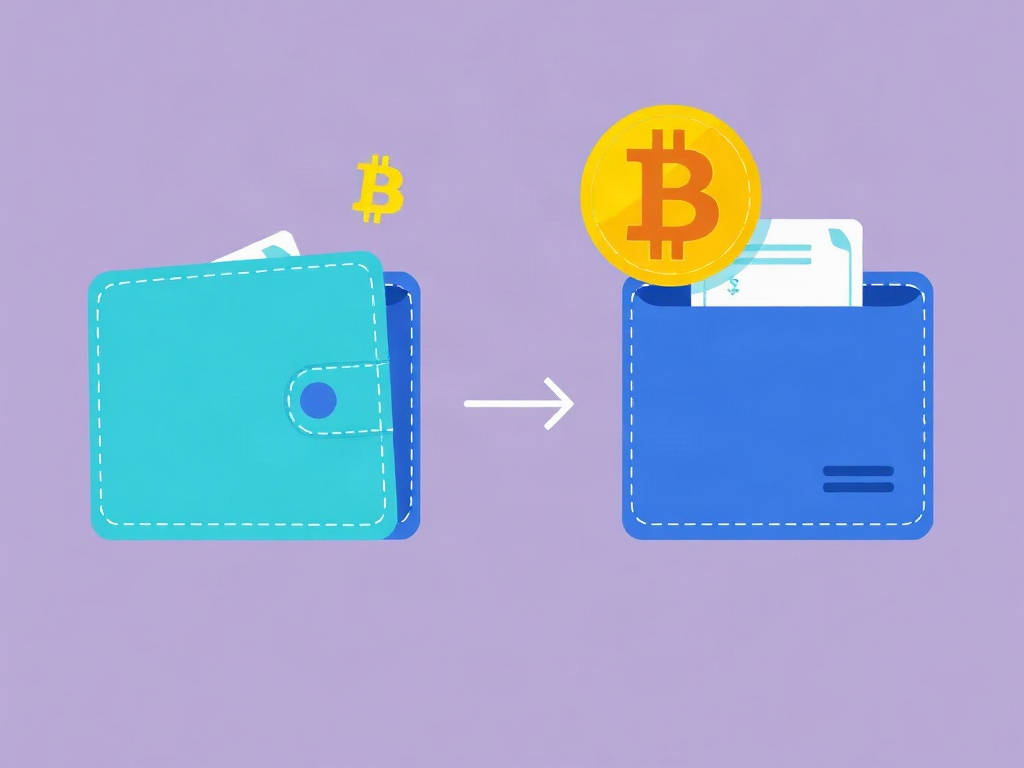
Understanding USDT Mixer TRC20: Privacy, Security, and Best Practices for btcmixer_en Users
Understanding USDT Mixer TRC20: Privacy, Security, and Best Practices for btcmixer_en Users
The evolution of digital finance has brought unprecedented convenience, but it has also introduced complex challenges regarding transaction privacy and data security. Among the most discussed solutions in the cryptocurrency ecosystem is the USDT mixer TRC20, a tool designed to obfuscate the on-chain trail of Tether tokens operating on the TRC20 protocol. For users of btcmixer_en and similar platforms, understanding how these mixers function, their advantages, and the precautions necessary for safe usage is essential. This comprehensive guide dives deep into the mechanics, benefits, risks, and practical steps associated with USDT mixer TRC20 services, providing a clear roadmap for both newcomers and experienced crypto enthusiasts.
At its core, a USDT mixer TRC20 acts as a intermediary service that combines multiple users' transactions, effectively breaking the direct link between sender and receiver addresses. By pooling funds and redistributing them in randomized amounts and timings, the mixer ensures that the original source of the tokens becomes extremely difficult to trace on the Tron blockchain. This process is particularly valuable for individuals and businesses that prioritize financial privacy, wish to avoid address profiling, or need to separate their operational funds from personal holdings.
The Technical Mechanics Behind USDT Mixer TRC20 Operations
How the TRC20 Protocol Facilitates Mixing
The TRC20 standard, similar to Ethereum's ERC20, defines a set of rules for tokens on the Tron network. USDT issued under this standard can be interacted with by smart contracts, enabling the functionality of mixers. When a user initiates a transaction through a USDT mixer TRC20, the service typically receives the incoming USDT into a controlled pool. The mixer then issues new, unrelated USDT tokens from its own reserve to the designated recipient address. Because the newly issued tokens originate from the mixer's wallet rather than the user's original address, the on-chain forensic trail is effectively broken.
Step-by-Step Transaction Flow
- The user sends USDT from their wallet to the mixer's deposit address.
- The mixer acknowledges the receipt and records the amount and original sender's metadata.
- After a mixing period—ranging from a few minutes to several hours—the mixer dispatches an equivalent or slightly adjusted amount of USDT to the user's specified recipient address.
- The recipient receives clean USDT, with no direct link back to the original sender's address.
- The mixer retains a small service fee, typically a fraction of the total transaction amount.
Smart Contract Audits and Transparency
Reputable USDT mixer TRC20 platforms prioritize security by undergoing rigorous smart contract audits. These audits examine the code for vulnerabilities, ensure that the mixer cannot abscond with deposited funds, and verify that the redistribution process is truly random and transparent. Users are encouraged to select mixers that publish audit reports and maintain open-source code, as this builds trust and reduces the risk of malicious manipulation.
Key Benefits of Using a USDT Mixer TRC20 for Privacy-Conscious Users
The primary advantage of employing a USDT mixer TRC20 is the enhanced privacy it provides. In an era where blockchain analytics firms can trace transaction flows with remarkable precision, mixing services serve as a critical countermeasure. By breaking the on-chain correlation between addresses, users prevent third parties from building comprehensive profiles of their financial activities.
Protection Against Address Clustering
Blockchain analysis often relies on address clustering techniques, where multiple addresses believed to belong to the same entity are identified through patterns, timing, and transaction amounts. A USDT mixer TRC20 disrupts these patterns by introducing multiple unrelated inputs and outputs, making clustering attempts significantly less effective. This is particularly beneficial for merchants who wish to keep their revenue streams separate from their operational wallets.
Safeguarding Sensitive Transactions
Certain use cases, such as donations to controversial causes, private purchases, or corporate treasury management, require a higher degree of confidentiality. The USDT mixer TRC20 ensures that these transactions do not leave a permanent, publicly accessible record linking the sender's identity to the purpose of the transfer. This level of privacy is increasingly sought after in regions with strict financial surveillance or for individuals who simply value discretion.
Compatibility and Low Transaction Costs
Operating on the TRC20 network offers distinct practical advantages. Transaction fees on the Tron blockchain are generally lower compared to Ethereum's mainnet, making frequent mixing economically viable. Additionally, the widespread support for USDT TRC20 across exchanges, wallets, and decentralized applications means users can integrate mixing into their existing workflows without needing to convert tokens to different standards.
Risk Factors and Mitigation Strategies When Using USDT Mixer TRC20 Services
While the benefits are compelling, using a USDT mixer TRC20 is not without risks. Understanding these challenges and implementing mitigation strategies is crucial for a safe experience. The most significant concerns include the trustworthiness of the mixer operator, potential regulatory scrutiny, and the possibility of receiving "tainted" tokens from the mixer's pool.
Evaluating Mixer Reliability
Not all mixing services operate with the same level of integrity. Some may log user data, retain transaction records, or even engage in fraudulent activities. To minimize risk, users should prioritize mixers with a proven track record, positive community reviews, and transparent operational policies. Look for services that do not require KYC (Know Your Customer) verification if anonymity is the goal, and avoid those that promise guaranteed anonymity without verifiable guarantees.
Regulatory and Legal Considerations
The legality of using a USDT mixer TRC20 varies by jurisdiction. In some countries, mixing services are perfectly legal and viewed as privacy tools similar to a VPN for internet traffic. In others, they may be subject to anti-money laundering (AML) regulations or even prohibited. Users must research local laws and ensure compliance, especially if the mixed funds will be used for regulated activities such as trading on licensed exchanges or interacting with traditional financial institutions.
Avoiding Tainted Outputs
One technical risk is that the USDT issued by the mixer might carry a tainted reputation if the mixer's pool contains funds from illicit activities. While the mixing process obscures the origin, some receiving wallets or exchanges may flag or restrict deposits from known mixer addresses. To mitigate this, users can opt for mixers that offer delayed mixing cycles, use multiple output addresses, or provide a "clean" token guarantee. Additionally, waiting an appropriate period after mixing before interacting with regulated services can reduce the likelihood of flags.
Practical Guide: How to Use a USDT Mixer TRC20 Safely on btcmixer_en
Step 1: Select a Reputable Mixer
Begin by researching and selecting a USDT mixer TRC20 service that aligns with your privacy needs and risk tolerance. Prioritize platforms with independent audits, clear fee structures, and positive user feedback within the btcmixer_en community and broader crypto forums. Avoid services with vague descriptions, lack of transparency, or requests for excessive personal information.
Step 2: Prepare Your Wallet
Ensure you have a compatible Tron wallet that supports USDT TRC20 tokens. Popular options include TronLink, Trust Wallet, and Ledger hardware wallets connected via the Tron interface. Verify that your wallet's address is correct, as transactions on the blockchain are irreversible. It is also advisable to use a fresh address for each mixing session to maximize privacy.
Step 3: Initiate the Deposit
Navigate to the chosen mixer's website and select the USDT mixer TRC20 option. Enter the amount you wish to mix and your recipient address. Double-check the recipient address, as the mixer will send the output to this destination. Some mixers offer additional features such as custom mixing delays, multiple output addresses, or referral programs; select settings that align with your privacy objectives.
Step 4: Confirm and Wait
After confirming the deposit, the mixer will process your transaction. The duration varies based on the service's current load and the mixing parameters selected. During this period, avoid interacting with the mixed funds on exchanges or platforms that may perform their own compliance checks. Once the mixing period concludes, the mixer will dispatch the output USDT to your specified address.
Step 5: Verify the Output
Upon receipt, use a Tron blockchain explorer to examine the transaction details. Verify that the output USDT TRC20 arrives at your address and note any mixing fees deducted. While the on-chain trail is obscured, conducting this verification ensures the transaction completed successfully and helps you become familiar with the typical patterns of mixed transactions.
Comparative Analysis: USDT Mixer TRC20 vs. Other Privacy Solutions
To fully appreciate the value of a USDT mixer TRC20, it is helpful to compare it with alternative privacy mechanisms within the cryptocurrency space. CoinJoin, privacy coins like Monero, and decentralized tumblers each offer distinct approaches to obfuscating transaction data.
USDT Mixer TRC20 vs. CoinJoin
CoinJoin is a technique used primarily by Bitcoin users to combine multiple transactions into one, making it difficult to determine which input corresponds to which output. While effective, CoinJoin requires coordination among participants and is limited by Bitcoin's scripting capabilities. In contrast, a USDT mixer TRC20 operates as a dedicated service with a pooled reserve, offering a more streamlined experience for Tether users without requiring direct participant interaction.
USDT Mixer TRC20 vs. Privacy Coins
Privacy coins such as Monero or Zcash are built from the ground up with confidentiality features, including ring signatures, stealth addresses, and zero-knowledge proofs. These coins provide inherent privacy at the protocol level. However, USDT remains the most widely adopted stablecoin, and many users prefer to keep their holdings in USDT for stability and ecosystem compatibility. A USDT mixer TRC20 allows these users to enjoy privacy benefits without converting to a different asset class, preserving liquidity and ease of use.
Decentralized Tumblers vs. Centralized Mixers
Decentralized tumblers operate via smart contracts without a central authority, theoretically eliminating the risk of operator fraud. However, they often suffer from lower liquidity, longer processing times, and higher complexity. Centralized USDT mixer TRC20 services, while requiring trust in the operator, typically offer faster processing, higher mixing volumes, and more user-friendly interfaces. Users must weigh the trade-offs between decentralization ideals and practical convenience.
Future Outlook: The Role of USDT Mixer TRC20 in Evolving Crypto Privacy Landscapes
As blockchain analytics become increasingly sophisticated, the demand for privacy-enhancing tools like the USDT mixer TRC20 is expected to grow. Innovations in cryptographic techniques, such as zero-knowledge proofs and secure multi-party computation, are likely to influence the next generation of mixing services, offering even stronger privacy guarantees while maintaining regulatory compliance where possible.
Integration with Decentralized Finance (DeFi)
The expanding DeFi ecosystem on the Tron network presents new opportunities for integrating mixing services directly into lending, borrowing, and trading platforms. Imagine a decentralized exchange (DEX) where users can swap USDT TRC20 through a built-in mixer, ensuring private transactions without leaving the DeFi interface. Such integrations could bridge the gap between privacy enthusiasts and the broader financial infrastructure, making confidential transactions as seamless as traditional ones.
Regulatory Dialogue and Standardization
The future of USDT mixer TRC20 services will also be shaped by ongoing dialogue between the crypto industry, regulators, and privacy advocates. Standardized audit protocols, transparent fee models, and optional compliance features could emerge, allowing users to choose between maximum privacy and regulatory-friendly operation. This balanced approach may help legitimize mixing services while addressing concerns about illicit use.
User Education and Community Growth
As with any tool, the effectiveness of a USDT mixer TRC20 depends on informed usage. Community-driven education, detailed guides, and open discussions—such as those fostered within the btcmixer_en niche—play a vital role in helping users navigate the complexities of crypto privacy. By sharing experiences, audit results, and best practices, the community can collectively raise the standard of security and discretion across the ecosystem.
Conclusion: Making Informed Choices with USDT Mixer TRC20
The USDT mixer TRC20 represents a powerful instrument for individuals and entities seeking to enhance their transaction privacy within the Tron blockchain ecosystem. Its ability to break on-chain links, combined with the low fees and broad compatibility of the TRC20 standard, makes it an accessible and effective solution for a wide

Understanding the usdt mixer TRC20: A Market Analyst's Perspective
As James Richardson, Senior Crypto Market Analyst with over 12 years of experience in digital asset analysis and blockchain market research, I have closely monitored the evolution of on-chain tools designed to enhance transaction privacy. The usdt mixer TRC20 has emerged as a notable mechanism within the Tron ecosystem, allowing users to obfuscate the on-chain trail of USDT transfers. While the intent behind such tools often centers on financial privacy and legitimate use cases such as protecting sensitive business transactions, their existence inevitably intersects with broader concerns about compliance, market transparency, and the potential for illicit exploitation.
From a risk assessment standpoint, the usdt mixer TRC20 presents a dual-edged dynamic. On one hand, it empowers users in jurisdictions with restrictive capital controls or those seeking to decouple their on-chain identity from transaction history. On the other hand, the traceability features inherent to the TRC20 standard mean that sophisticated mixing protocols can create blind spots for compliance teams and forensic analytics firms. In my analysis, the key challenge lies not in the technology itself, but in how market participants balance the legitimate desire for privacy against the operational necessity of transparent fund flows, especially for institutional players where auditability is non-negotiable.
Practically speaking, I advise stakeholders to approach the usdt mixer TRC20 with a calibrated framework: leverage on-chain monitoring tools to validate counterparty risk, stay informed about evolving regulatory guidance regarding mixing services, and prioritize custodial solutions that incorporate compliance-layer analytics. As the crypto market matures, the interplay between privacy-enhancing technologies and regulatory expectations will shape the next phase of adoption, and the usdt mixer TRC20 will undoubtedly remain a focal point in that ongoing dialogue.