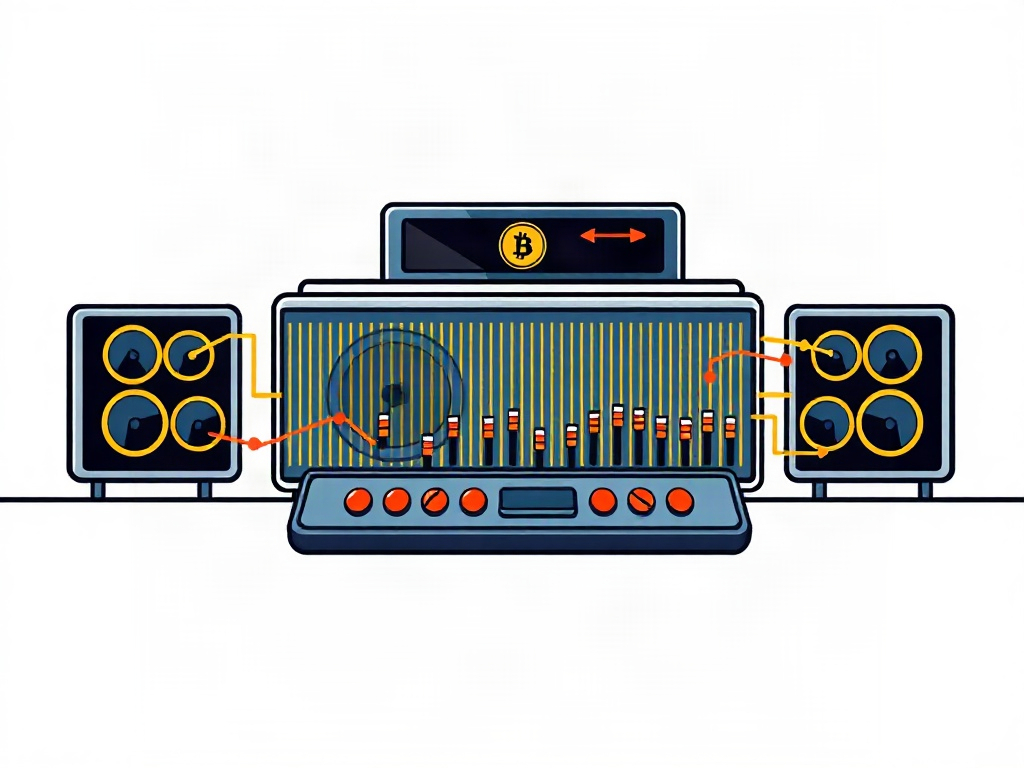
Understanding Transaction Splitting Parts in Bitcoin Mixing

Understanding Transaction Splitting Parts in Bitcoin Mixing
Bitcoin mixing services have become increasingly important for users seeking enhanced privacy and anonymity in their cryptocurrency transactions. One of the most critical techniques employed by these services is the concept of transaction splitting parts. This comprehensive guide will explore how transaction splitting parts work, their importance in the mixing process, and how they contribute to maintaining user privacy.
What Are Transaction Splitting Parts?
Transaction splitting parts refer to the practice of dividing a single large transaction into multiple smaller transactions when using a Bitcoin mixing service. Instead of sending one consolidated transaction, the mixing service breaks down the total amount into various components, each sent separately to different addresses or at different times.
The Basic Concept
The fundamental principle behind transaction splitting parts is to obscure the trail between the original sender and the final recipient. By creating multiple smaller transactions rather than one large one, it becomes significantly more difficult for blockchain analysts to track the flow of funds and establish connections between addresses.
How It Differs from Regular Transactions
Traditional Bitcoin transactions typically involve a straightforward transfer from one address to another. In contrast, transaction splitting parts create a more complex web of transfers that makes tracing much more challenging. This complexity is precisely what makes mixing services effective at preserving user anonymity.
The Importance of Transaction Splitting Parts in Bitcoin Mixing
Transaction splitting parts play a crucial role in the effectiveness of Bitcoin mixing services. Understanding their importance helps users appreciate why this technique is fundamental to achieving true transaction privacy.
Enhancing Privacy Through Fragmentation
By breaking down transactions into smaller parts, mixing services create multiple points of obfuscation. Each split transaction becomes a separate entity on the blockchain, making it exponentially more difficult to reconstruct the original transaction path. This fragmentation is essential for maintaining the anonymity that users seek when utilizing mixing services.
Preventing Address Clustering
Address clustering is a technique used by blockchain analysts to group multiple addresses that likely belong to the same entity. Transaction splitting parts help prevent this by distributing funds across numerous addresses in a way that appears random and unrelated, effectively breaking the chain of custody that analysts rely on.
How Transaction Splitting Parts Work in Practice
Understanding the practical implementation of transaction splitting parts provides insight into how mixing services operate behind the scenes to protect user privacy.
The Technical Process
When a user initiates a mixing transaction, the service first receives the total amount to be mixed. The system then calculates optimal split points based on various factors including the total amount, current network conditions, and the service's mixing algorithm. These calculations determine how many transaction splitting parts will be created and their respective sizes.
Timing Considerations
Transaction splitting parts are often sent at different intervals rather than simultaneously. This temporal separation adds another layer of complexity to the mixing process, making it even more difficult for observers to correlate the various parts of the original transaction.
Benefits of Using Transaction Splitting Parts
The implementation of transaction splitting parts offers numerous advantages for users seeking enhanced privacy in their Bitcoin transactions.
Improved Anonymity
The primary benefit of transaction splitting parts is the significant improvement in anonymity they provide. By creating multiple smaller transactions instead of one large one, users can effectively obscure their transaction history and make it much more challenging for third parties to track their financial activities.
Reduced Transaction Traceability
Each transaction splitting part creates a new entry point on the blockchain that must be analyzed independently. This multiplication of transaction points dramatically reduces the traceability of the original funds, making it extremely difficult for blockchain analysis tools to reconstruct the complete transaction path.
Enhanced Security
Beyond privacy benefits, transaction splitting parts also provide enhanced security. By distributing funds across multiple transactions, users reduce their exposure to potential security risks associated with large, easily identifiable transactions.
Best Practices for Transaction Splitting Parts
To maximize the effectiveness of transaction splitting parts, users should follow certain best practices when utilizing Bitcoin mixing services.
Choosing the Right Mixing Service
Not all mixing services implement transaction splitting parts equally effectively. Users should research and select services that have a proven track record of properly implementing this technique, along with other privacy-enhancing features.
Understanding Fee Structures
Transaction splitting parts may affect the fee structure of mixing services. Users should understand how fees are calculated for split transactions and factor this into their decision-making process when choosing a mixing service.
Timing Your Transactions
The timing of transactions can impact the effectiveness of transaction splitting parts. Users should consider network conditions and other factors that might affect the mixing process when planning their transactions.
Common Misconceptions About Transaction Splitting Parts
Despite their importance, there are several misconceptions about transaction splitting parts that deserve clarification.
Myth: All Mixing Services Use Transaction Splitting Parts
While transaction splitting parts are a common feature of quality mixing services, not all services implement them. Some may use alternative methods or may not provide adequate privacy protection at all.
Myth: Transaction Splitting Parts Guarantee Complete Anonymity
While transaction splitting parts significantly enhance privacy, they do not guarantee complete anonymity. Users should understand that mixing services are just one tool in a comprehensive privacy strategy.
The Future of Transaction Splitting Parts
As blockchain analysis techniques continue to evolve, the importance of transaction splitting parts is likely to grow even further.
Technological Advancements
Future developments in mixing technology may lead to even more sophisticated implementations of transaction splitting parts, potentially incorporating artificial intelligence and machine learning to optimize the mixing process.
Regulatory Considerations
As governments and regulatory bodies pay increasing attention to cryptocurrency transactions, the role of transaction splitting parts in maintaining privacy may become even more critical for users seeking to protect their financial information.
Conclusion
Transaction splitting parts represent a fundamental technique in the arsenal of Bitcoin mixing services, providing users with enhanced privacy and security for their cryptocurrency transactions. By understanding how these parts work and their importance in the mixing process, users can make more informed decisions about their privacy strategies and choose mixing services that effectively implement this crucial feature.
As the cryptocurrency landscape continues to evolve, the role of transaction splitting parts in maintaining user privacy is likely to remain essential. Whether you're a casual Bitcoin user or someone who requires enhanced privacy for business reasons, understanding and utilizing services that properly implement transaction splitting parts is crucial for maintaining your financial privacy in the digital age.

Transaction Splitting Parts: A Strategic Approach to DeFi Efficiency
As a DeFi and Web3 analyst, I've observed that transaction splitting parts has emerged as a crucial strategy for optimizing blockchain operations and reducing costs. This technique involves dividing larger transactions into smaller, more manageable components, which can significantly decrease gas fees and improve overall network efficiency. By strategically splitting transactions, users can navigate the complex landscape of decentralized finance more effectively, particularly during periods of high network congestion.
The practical applications of transaction splitting parts extend beyond mere cost savings. In yield farming and liquidity mining operations, this approach allows for more precise control over asset allocation and risk management. For instance, when deploying capital across multiple protocols, splitting transactions can help maintain optimal positions while minimizing exposure to smart contract risks. Additionally, governance token holders can leverage this technique to participate more efficiently in protocol decisions, ensuring their voting power is distributed strategically across various proposals and time periods.
From a Web3 infrastructure perspective, transaction splitting parts represents a fundamental shift in how we approach blockchain interactions. As the DeFi ecosystem continues to evolve, this strategy will likely become increasingly important for both individual users and institutional participants. The ability to optimize transaction costs while maintaining operational efficiency is crucial for the long-term sustainability of decentralized finance. As we move forward, I anticipate that more sophisticated tools and protocols will emerge to automate and enhance the process of transaction splitting, further democratizing access to efficient blockchain operations.