Blog · Aug 18, 2026 · 7 min read
Understanding the Private Transaction Sequencer in Bitcoin Mixing
Understanding the Private Transaction Sequencer in Bitcoin Mixing
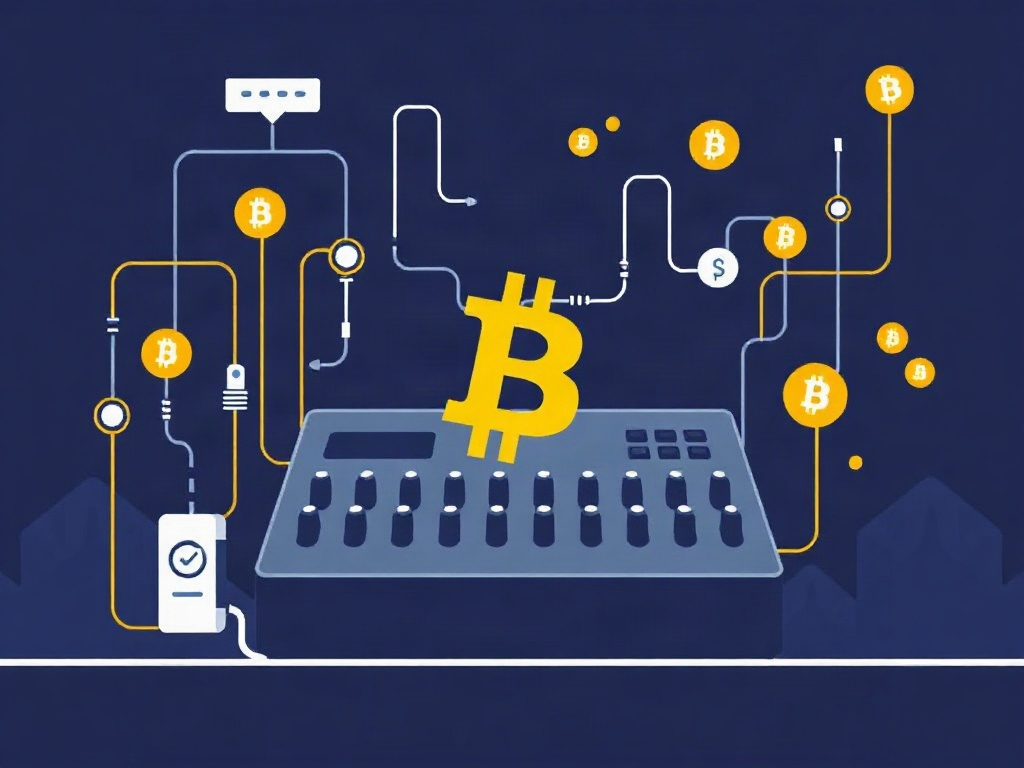
In the evolving landscape of cryptocurrency privacy, the private transaction sequencer has emerged as a critical component for users seeking enhanced anonymity in their Bitcoin transactions. This sophisticated technology operates behind the scenes of Bitcoin mixers, orchestrating the complex process of transaction obfuscation while maintaining the integrity and efficiency of the mixing process.
The Role of Private Transaction Sequencers in Bitcoin Privacy
A private transaction sequencer functions as the intelligent coordinator within Bitcoin mixing services, determining the optimal order and timing for processing multiple transactions. Unlike simple mixers that process transactions in a first-come-first-served manner, these advanced sequencers analyze various factors to maximize privacy benefits for all participants.
The sequencer evaluates transaction sizes, timing patterns, and network conditions to create a mixing schedule that makes it extremely difficult for blockchain analysts to trace the flow of funds. By strategically ordering transactions and introducing deliberate delays, the private transaction sequencer breaks the deterministic links between input and output addresses that would otherwise be visible on the public blockchain.
How Private Transaction Sequencers Differ from Basic Mixing
Traditional Bitcoin mixing services typically operate on simple principles: users send their coins to a central address, and the service returns different coins of equivalent value. While this provides some level of privacy, it leaves patterns that sophisticated analysis can potentially uncover. The private transaction sequencer elevates this process by introducing dynamic, intelligent coordination.
Where basic mixers might process transactions in the order received, a sequencer considers factors like transaction volume, timing correlations, and even the geographic distribution of participants. This multi-dimensional approach creates a much more complex web of transactions that significantly increases the difficulty of any tracing attempts.
Technical Architecture of Private Transaction Sequencers
The technical implementation of a private transaction sequencer involves several sophisticated components working in harmony. At its core, the sequencer maintains a transaction pool where incoming requests are stored temporarily before processing. This pool allows the system to analyze multiple transactions simultaneously and identify optimal mixing patterns.
Advanced algorithms within the sequencer evaluate transaction characteristics including input sizes, desired output configurations, and user-specified privacy preferences. The system then generates a processing schedule that maximizes the anonymity set for each participant while maintaining reasonable transaction completion times.
Key Components and Their Functions
The primary components of a private transaction sequencer include the transaction intake module, analysis engine, scheduling algorithm, and execution coordinator. The intake module receives and validates incoming transactions, ensuring they meet the mixer's requirements for size and format.
The analysis engine examines the transaction pool to identify patterns and opportunities for enhanced mixing. This might include grouping transactions of similar sizes, identifying complementary timing patterns, or recognizing opportunities to batch multiple transactions together for improved efficiency and privacy.
Privacy Benefits of Advanced Transaction Sequencing
The implementation of a private transaction sequencer provides several significant privacy advantages over traditional mixing approaches. First and foremost, it dramatically increases the anonymity set by creating more complex transaction patterns that are difficult to analyze and trace.
By intelligently coordinating multiple transactions, the sequencer can create situations where the origin of any particular output becomes mathematically uncertain. This uncertainty is the foundation of effective transaction privacy, as it prevents blockchain analysts from confidently linking inputs to outputs.
Enhanced Resistance to Blockchain Analysis
Blockchain analysis firms employ various techniques to deanonymize cryptocurrency transactions, including clustering algorithms, timing analysis, and pattern recognition. A well-designed private transaction sequencer specifically addresses these analytical approaches by introducing variability and complexity that breaks common analysis patterns.
For instance, the sequencer might deliberately introduce random delays between transaction stages, or it might batch unrelated transactions together in ways that confuse clustering algorithms. These techniques make it significantly more difficult for analysts to apply their standard tools and methodologies effectively.
Implementation Considerations for Service Providers
For Bitcoin mixing services considering the implementation of a private transaction sequencer, several important factors must be evaluated. The computational resources required for sophisticated sequencing algorithms can be substantial, particularly as transaction volume increases.
Service providers must also consider the balance between privacy enhancement and user experience. While more complex sequencing provides better privacy, it may also result in longer processing times. Finding the optimal balance requires careful tuning and ongoing monitoring of system performance.
Security and Trust Considerations
The centralized nature of transaction sequencing introduces potential security considerations that must be addressed. Users must trust the sequencer to execute its functions honestly and without logging identifying information. This trust requirement has led many services to implement additional safeguards such as time-locked smart contracts or multi-signature arrangements.
Some advanced implementations use distributed sequencing approaches where multiple independent parties collaborate to determine transaction order, reducing the trust requirements placed on any single entity. These approaches represent the cutting edge of private transaction sequencer technology.
Future Developments in Transaction Sequencing
The field of transaction sequencing continues to evolve rapidly as privacy concerns grow and analytical techniques become more sophisticated. Emerging developments include the integration of zero-knowledge proofs to verify sequencing integrity without revealing internal operations, and the use of artificial intelligence to optimize sequencing patterns in real-time.
Another promising area of development involves cross-chain sequencing, where the private transaction sequencer can coordinate mixing operations across multiple cryptocurrency networks. This approach could provide even greater privacy benefits by introducing additional complexity and breaking analysis patterns that rely on single-chain transaction histories.
Integration with Decentralized Mixing Protocols
As the cryptocurrency ecosystem moves toward greater decentralization, transaction sequencing technology is adapting accordingly. New protocols are emerging that distribute the sequencing function across multiple independent nodes, eliminating the single point of trust that characterizes traditional mixing services.
These decentralized approaches use consensus mechanisms to determine transaction order, ensuring that no single participant can compromise the privacy of others. While more complex to implement, these systems represent the future direction of private transaction sequencer technology.
Best Practices for Users
For users seeking to maximize their privacy through services employing private transaction sequencers, several best practices can enhance effectiveness. First, users should understand that sequencing adds time to the mixing process, and patience is essential for optimal results.
Users should also consider using multiple mixing rounds with different services, as this compounds the privacy benefits provided by sophisticated sequencing. Additionally, combining mixing with other privacy techniques such as CoinJoin participation and careful address management creates a comprehensive privacy strategy.
Evaluating Mixing Services
When selecting a mixing service, users should evaluate the sophistication of the sequencing technology employed. Services that provide transparency about their sequencing algorithms and privacy protections generally offer more reliable privacy benefits than those that operate opaquely.
Users should also consider factors such as the service's track record, the size of its user base (which affects the anonymity set), and the specific sequencing techniques employed. Services utilizing advanced private transaction sequencers typically provide better privacy outcomes than those using simpler approaches.
Regulatory and Legal Considerations
The use of sophisticated transaction sequencing technology exists in a complex regulatory environment. While Bitcoin mixing itself is not illegal in most jurisdictions, the enhanced privacy it provides has attracted regulatory scrutiny, particularly regarding potential use in money laundering or other illicit activities.
Service providers must navigate these regulatory challenges while maintaining the privacy benefits that make their services valuable. This often involves implementing know-your-customer procedures, transaction monitoring, and cooperation with law enforcement when required by law.
Compliance and Privacy Balance
The most successful mixing services find ways to comply with regulatory requirements while still providing meaningful privacy benefits through advanced sequencing. This might involve implementing tiered services with different levels of privacy and documentation requirements, or using sophisticated analysis to identify and prevent genuinely suspicious activity while preserving privacy for legitimate users.
The ongoing evolution of both regulatory frameworks and sequencing technology will continue to shape this balance in the coming years, making it an important area to watch for both service providers and users of private transaction sequencer technology.

Emily Parker
Crypto Investment Advisor
Private Transaction Sequencer: A Game-Changer for Crypto Privacy
As a cryptocurrency investment advisor with over a decade of experience, I've witnessed numerous technological advancements in the blockchain space. The emergence of private transaction sequencers represents a significant leap forward in addressing one of the most pressing concerns in crypto: transaction privacy. These specialized nodes or services are designed to order and process transactions in a way that obscures their details from public view, offering users enhanced confidentiality while maintaining the integrity of the blockchain.
From an investment perspective, private transaction sequencers present both opportunities and challenges. On the positive side, they address a critical market need for privacy, which could drive adoption among institutional investors and high-net-worth individuals who require discretion in their financial dealings. This increased demand could potentially boost the value of cryptocurrencies that implement or integrate with these sequencers. However, investors should also be aware of the regulatory implications. As privacy-enhancing technologies become more prevalent, they may attract increased scrutiny from regulators concerned about potential misuse for illicit activities. It's crucial for investors to stay informed about the evolving regulatory landscape and to consider the long-term viability of projects utilizing private transaction sequencers.