Blog · Sep 9, 2026 · 7 min read
Understanding Mixing Before Cashout: Strategies for BTCEMixer_en Participants
Understanding Mixing Before Cashout: Strategies for BTCEMixer_en Participants
The cryptocurrency landscape evolves rapidly, and with it, the methods users employ to protect their financial privacy. Among the most discussed practices in privacy-focused circles is the concept of mixing before cashout. For those utilizing platforms tagged under btcmixer_en, grasping the timing and mechanics of this process can mean the difference between a seamless withdrawal and an exposed transaction trail. This article dives deep into why the sequence matters, how it functions technically, and what users should watch for when planning their next move.
At its core, mixing before cashout refers to the act of routing freshly received or through-chain funds through a tumbling service prior to converting them into fiat or moving them to a personal wallet for spending. The primary goal is to break the on-chain link between the source of funds and their final destination. When this step is omitted, transaction histories remain transparent on public ledgers, potentially exposing user behavior, wallet balances, and spending patterns to analytics firms, surveillance entities, or malicious actors.
The Concept of Mixing Before Cashout
What Is Crypto Mixing?
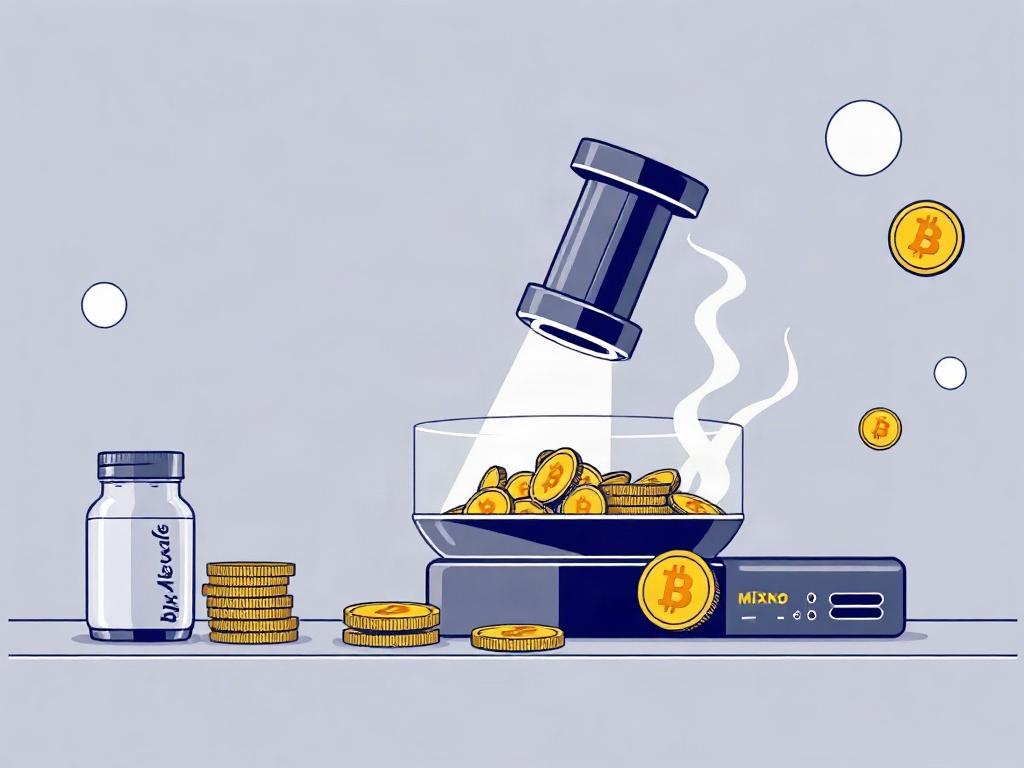
Crypto mixing, also known as tumbling or coinjoining, is a process that aggregates multiple users' transactions and redistributes the funds in such a way that the original sources become indistinguishable. By pooling resources and shuffling outputs, mixing services obscure the direct flow of funds. When performed before a cashout event, this obfuscation layer ensures that the coins entering an exchange or payment processor carry no immediate traceable history linked to the user's original address.
Why Timing Matters: Before vs. After Cashout
The distinction between mixing before cashout and after is fundamental. Mixing after cashout may offer limited benefit, as the funds have already entered a regulated or monitored environment. Conversely, mixing before cashout positions the privacy shield at the point of origin, effectively sanitizing the assets before they interact with any third-party service. This proactive approach is particularly relevant for btcmixer_en users who prioritize discretion and wish to avoid unnecessary scrutiny during withdrawal or conversion phases.
Risks of Skipping the Mixing Step
Transaction Traceability
Every Bitcoin transaction is permanently recorded on the blockchain. Without a mixing intervention, the path from the originating wallet to the final cashout destination is a straight line that analytics tools can follow. Chain analysis companies specialize in mapping these routes, and even sophisticated users can fall victim to address clustering techniques that link seemingly unrelated wallets under common ownership.
Fund Safety on Public Ledgers
Beyond privacy, there is a practical safety dimension. Coins that have traversed high-risk environments—such as darknet markets, compromised exchanges, or phishing schemes—may carry tainted reputations. If such funds are cashed out without prior mixing, they risk freezing, seizure, or flagging by compliance systems. Mixing before cashout acts as a risk mitigation strategy, ensuring that the assets presented for withdrawal are as clean as possible from a provenance standpoint.
BTCEMixer_en Features and Mixing Before Cashout
How BTCEMixer_en Implements Mixing Protocols
Platforms operating within the btcmixer_en ecosystem are designed with user privacy as a central pillar. Their infrastructure typically supports multi-phase mixing, where users can initiate a blend, wait for the predetermined delay period, and then proceed to cashout with enhanced anonymity sets. The service employs sophisticated algorithms to distribute outputs across numerous addresses, breaking the deterministic link between input and output transactions. This architectural choice makes mixing before cashout not just a recommendation but a built-in feature for security-conscious participants.
User Controls and Timing Options
One of the standout aspects of btcmixer_en is the granular control it offers over mixing timing. Users can select delay windows ranging from a few minutes to several hours, allowing the mixed funds to blend further with network traffic before any cashout attempt. This flexibility means that the mixing before cashout process can be tailored to individual risk profiles: a shorter delay might suffice for low-value transfers, while high-stakes withdrawals benefit from extended mixing periods to maximize anonymity.
Step-by-Step: How to Mix Before Cashout Safely
- Initiate the Mixing Process: Begin by transferring the targeted funds into the mixing service's deposit address. Ensure the amount aligns with the platform's minimum and maximum thresholds.
- Select Mixing Parameters: Choose the desired delay duration and output distribution style. For btcmixer_en users, opting for a longer delay often yields stronger privacy guarantees.
- Confirm and Wait: After submitting the transaction, wait for the service to complete its internal mixing cycle. This period is critical, as it is during this time that the original transaction trail is effectively broken.
- Retrieve Mixed Outputs: Once the mixing process is finalized, the service will provide new addresses holding the sanitized funds. Verify the outputs before proceeding.
- Proceed to Cashout: Only after the mixed coins are in your control should you initiate a cashout to an exchange, payment processor, or personal wallet. This sequencing ensures that the funds entering the next stage carry no direct link to their origin.
Verification and Confirmation
After the mixing before cashout sequence, users should independently verify the freshness of their coins. Blockchain explorers can be used to check that the output addresses no longer show a direct line back to the original deposit. Some advanced users also employ address rotation strategies, moving the mixed funds through an additional wallet before the final cashout, further diluting any residual traceability.
Common Mistakes and How to Avoid Them
Even experienced participants occasionally misstep in the mixing before cashout workflow. One frequent error is initiating a cashout immediately after mixing, without allowing sufficient time for the service's internal pooling and redistribution to complete. This can leave partial traces that analytics tools may still detect. Another mistake is reusing the same mixing address across multiple cycles, which can inadvertently create patterns that compromise privacy.
To avoid these pitfalls, always adhere to the service's recommended waiting periods, rotate mixing addresses for each session, and double-check that the output coins are fully consolidated before triggering any withdrawal. Additionally, never mix funds that you suspect may already be flagged or tainted, as the mixing process cannot erase prior illegal associations—it can only obfuscate the on-chain path.
Legal and Ethical Considerations
The use of mixing services sits at the intersection of privacy rights and regulatory compliance. In many jurisdictions, the act of mixing one's own funds is legal, provided the user is not engaging in money laundering, tax evasion, or other illicit activities. However, regulators in some regions have begun scrutinizing mixing tools more closely, particularly when they are used in conjunction with cashout mechanisms that cross international borders. Users of btcmixer_en should stay informed about the legal status of mixing in their respective countries and ensure their practices align with local laws.
Ethically, the decision to mix before cashout is often framed as a right to financial privacy. Just as individuals use cash for anonymous transactions, cryptocurrency users may seek to protect their economic freedom from pervasive surveillance. Balancing this desire with responsible usage—avoiding use in conjunction with criminal enterprises—helps maintain the legitimacy of privacy tools within the broader ecosystem.
Best Practices for Long-Term Privacy
Beyond a single mixing before cashout event, building a sustainable privacy posture requires consistent habits. These include using hierarchical deterministic (HD) wallets with regular address rotation, avoiding address reuse, and employing mixing as a routine step rather than a one-off reaction to a specific transaction. Over time, these practices compound, making it increasingly difficult for outside parties to construct a coherent profile of your financial activity.
Another key practice is staying updated on the evolving landscape of mixing technologies. New protocols, such as CoinJoin variants and Schnorr signature-based anonymity improvements, are continually emerging. By keeping abreast of these developments, btcmixer_en participants can adapt their strategies and continue to enjoy robust privacy protections.
Conclusion
In the realm of cryptocurrency, privacy is not a luxury—it is a necessity for many users who value financial autonomy and discretion. The practice of mixing before cashout represents a proactive, effective method for safeguarding transaction confidentiality, particularly within the btcmixer_en framework. By understanding the underlying mechanics, recognizing the risks of omission, and following a structured, timed approach, participants can navigate the cashout process with confidence and peace of mind. Whether you are a casual user or a seasoned enthusiast, integrating mixing before cashout into your standard operating procedure is a step toward a more private and secure digital future.
- Always wait for the mixing cycle to fully complete before initiating any cashout.
- Use delayed output settings on btcmixer_en to maximize anonymity set size.
- Verify output addresses independently using blockchain explorers.
- Rotate mixing addresses for each new session to prevent pattern detection.
- Stay informed about local regulations regarding crypto mixing and cashout procedures.
Embracing these guidelines ensures that your interactions with digital assets remain both private and compliant, allowing you to focus on the benefits of decentralized finance without unnecessary exposure.

Emily Parker
Crypto Investment Advisor
Mixing Before Cashout: A Crypto Investment Advisor's Guide to Strategic Exit Execution
As Emily Parker, a certified financial analyst with over a decade of experience navigating the volatile cryptocurrency markets, I’ve seen how execution timing can make or break a portfolio’s risk-adjusted returns. One practice that often gets overlooked in favor of chasing alpha is the disciplined approach to mixing before cashout. In my view, the decision to consolidate, swap, or restructure holdings prior to liquidation isn’t just about market timing—it’s about tax efficiency, compliance, and preserving capital across multiple chains and protocols.
From a strategic standpoint, mixing before cashout involves deliberately routing assets through liquidity pools, bridges, or decentralized exchanges to optimize the composition of the final exit tranche. This might mean converting high-volatility tokens into stablecoins, consolidating...