Blog · Aug 18, 2026 · 8 min read
Understanding Direct Crypto Exchanges: A Comprehensive Guide for BTC Mixer Users
Understanding Direct Crypto Exchanges: A Comprehensive Guide for BTC Mixer Users
In the rapidly evolving world of cryptocurrency, direct crypto exchange platforms have emerged as a popular choice for users seeking seamless, secure, and efficient trading experiences. Unlike traditional exchanges that rely on intermediaries, direct crypto exchanges allow users to trade digital assets directly with one another, eliminating the need for a centralized authority. This model has gained traction among BTC mixer users, who prioritize privacy and control over their transactions. As the demand for decentralized financial solutions grows, understanding the mechanics, benefits, and risks of direct crypto exchanges becomes essential for both newcomers and seasoned investors.
What is a Direct Crypto Exchange?
A direct crypto exchange is a platform that facilitates peer-to-peer (P2P) trading of cryptocurrencies without the involvement of a third-party intermediary. Unlike centralized exchanges (CEXs), which act as intermediaries between buyers and sellers, direct exchanges enable users to connect directly with one another to execute trades. This model is particularly appealing to users who value autonomy, as it reduces reliance on centralized entities that may impose fees, restrictions, or security vulnerabilities.
One of the defining features of a direct crypto exchange is its emphasis on user control. Traders can set their own prices, negotiate terms, and manage their assets independently. This flexibility is especially valuable in the context of BTC mixers, which are tools designed to enhance privacy by obscuring the origin of Bitcoin transactions. By integrating with direct exchanges, BTC mixer users can further safeguard their financial activities while maintaining the efficiency of direct trading.
Key Features of Direct Crypto Exchanges
- Decentralized Structure: Direct exchanges operate without a central authority, reducing the risk of single points of failure.
- Peer-to-Peer Trading: Users can trade directly with one another, fostering a more transparent and trustless environment.
- Lower Fees: By eliminating intermediaries, direct exchanges often charge lower transaction fees compared to traditional platforms.
- Enhanced Privacy: The absence of centralized data storage makes it harder for third parties to track user activity.
How Direct Crypto Exchanges Differ from Traditional Platforms
Traditional cryptocurrency exchanges, such as Binance or Coinbase, function as centralized hubs where users deposit funds, place orders, and rely on the platform to execute trades. In contrast, direct crypto exchanges prioritize decentralization, allowing users to maintain full control over their assets throughout the trading process. This distinction has significant implications for security, privacy, and user experience.
Transaction Speed and Cost
One of the most notable differences between direct and traditional exchanges is the speed and cost of transactions. On centralized platforms, users often face delays due to order matching processes and network congestion. Direct exchanges, however, enable faster transactions by bypassing these intermediaries. Additionally, the absence of middlemen typically results in lower fees, making direct exchanges a cost-effective option for frequent traders.
For BTC mixer users, this efficiency is particularly advantageous. BTC mixers, which are designed to anonymize Bitcoin transactions, often require quick and low-cost transfers to maintain privacy. Direct exchanges align with this need by offering streamlined processes that minimize delays and expenses.
Security and Trust
While traditional exchanges implement robust security measures, they remain vulnerable to hacking, regulatory scrutiny, and internal mismanagement. Direct crypto exchanges, on the other hand, distribute risk across a network of users, reducing the likelihood of large-scale breaches. However, this model also places greater responsibility on individual users to secure their private keys and wallets.
BTC mixer users, who often prioritize anonymity, may find direct exchanges more aligned with their privacy goals. By avoiding centralized platforms, they can reduce the risk of data exposure and maintain greater control over their financial activities.
The Role of BTC Mixers in Direct Crypto Exchanges
BTC mixers, also known as Bitcoin tumblers, are tools designed to enhance the privacy of Bitcoin transactions by breaking the link between the sender and receiver. When integrated with direct crypto exchanges, these tools offer users an additional layer of security and anonymity. This synergy is particularly valuable in an era where regulatory scrutiny and surveillance are increasingly common.
How BTC Mixers Work
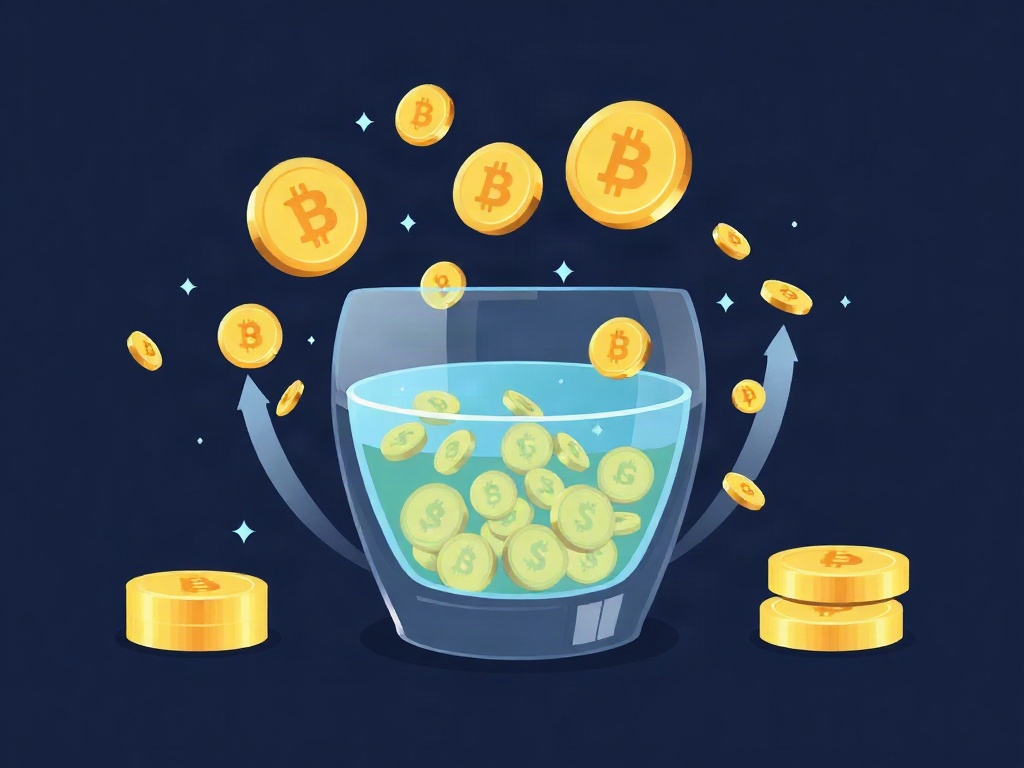
BTC mixers operate by pooling user funds and redistributing them in a randomized manner. This process obscures the original transaction trail, making it difficult for third parties to trace the source of funds. For example, if a user sends Bitcoin to a mixer, the platform will combine it with other users' funds and return it in smaller, untraceable amounts. This method is especially useful for individuals who wish to avoid linking their transactions to specific addresses or identities.
When used in conjunction with direct crypto exchanges, BTC mixers can further enhance privacy by ensuring that even the exchange itself cannot track the origin of a user's funds. This is particularly important for users who engage in high-volume trading or wish to avoid drawing attention to their financial activities.
Benefits of Combining BTC Mixers with Direct Exchanges
- Enhanced Privacy: The combination of direct exchanges and BTC mixers creates a robust privacy framework that protects user identities.
- Reduced Regulatory Risk: By minimizing the visibility of transactions, users can navigate regulatory landscapes with greater confidence.
- Increased Autonomy: Users retain full control over their assets, reducing dependence on third-party services.
Security Considerations for Direct Crypto Exchanges
While direct crypto exchanges offer numerous advantages, they also come with unique security challenges. Unlike centralized platforms, which often have dedicated security teams and insurance policies, direct exchanges rely on the vigilance of individual users. This makes it crucial for traders to adopt best practices to protect their assets and personal information.
Common Risks and Mitigation Strategies
One of the primary risks associated with direct crypto exchanges is the potential for phishing attacks. Since users interact directly with one another, malicious actors may attempt to impersonate legitimate traders or platforms. To mitigate this risk, users should always verify the authenticity of communication channels and avoid clicking on suspicious links.
Another concern is the vulnerability of smart contracts, which are often used to facilitate trades on direct exchanges. If a smart contract contains a flaw, it could be exploited by hackers to steal funds. To address this, users should thoroughly research the security audits and reputation of the platforms they choose.
Best Practices for Secure Trading
- Use Hardware Wallets: Storing funds in hardware wallets reduces the risk of theft compared to keeping assets on an exchange.
- Enable Two-Factor Authentication (2FA): Adding an extra layer of security can prevent unauthorized access to user accounts.
- Regularly Update Software: Keeping software and wallets up to date helps protect against known vulnerabilities.
Choosing the Right Direct Crypto Exchange
With the growing popularity of direct crypto exchanges, the market has become saturated with platforms offering varying levels of security, features, and user experience. Selecting the right exchange requires careful consideration of several factors, including reputation, security protocols, and compatibility with BTC mixers.
Evaluating Exchange Reputation
Before committing to a direct crypto exchange, it is essential to research its reputation within the cryptocurrency community. Look for platforms that have a track record of transparency, reliability, and user satisfaction. Online forums, review sites, and social media channels can provide valuable insights into the experiences of other users.
Additionally, check whether the exchange has undergone third-party security audits. Reputable platforms often publish audit reports to demonstrate their commitment to security. This is particularly important for BTC mixer users, who may prioritize exchanges that align with their privacy goals.
Assessing Security Features
Security should be a top priority when selecting a direct crypto exchange. Look for platforms that offer features such as multi-signature wallets, cold storage options, and real-time transaction monitoring. These measures can significantly reduce the risk of theft or fraud.
For users who rely on BTC mixers, it is also important to ensure that the exchange supports seamless integration with these tools. Some platforms may offer built-in mixer services or partnerships with trusted BTC mixer providers, enhancing the overall privacy of transactions.
User Experience and Support
The user experience of a direct crypto exchange can greatly impact its usability. A well-designed interface, intuitive navigation, and responsive customer support are all critical factors to consider. Users should also evaluate the availability of educational resources, such as tutorials or FAQs, to help them navigate the platform effectively.
For BTC mixer users, the ability to seamlessly integrate mixer services into the trading process is a key consideration. Exchanges that offer dedicated support for privacy-focused tools can provide a more streamlined and secure experience.
Conclusion: Embracing the Future of Decentralized Trading
The rise of direct crypto exchanges marks a significant shift in the way users interact with cryptocurrency. By prioritizing decentralization, privacy, and user control, these platforms offer a compelling alternative to traditional exchanges. For BTC mixer users, the integration of direct exchanges with privacy-enhancing tools like BTC mixers creates a powerful synergy that aligns with the core values of the cryptocurrency ecosystem.
As the industry continues to evolve, staying informed about the latest developments in direct crypto exchanges and BTC mixers will be essential for users seeking to maximize their security and autonomy. By understanding the unique advantages and challenges of these platforms, traders can make informed decisions that align with their financial goals and privacy preferences.

David Chen
Digital Assets Strategist
The Rise of Direct Crypto Exchanges: A New Paradigm in Digital Asset Trading
As a quantitative analyst with deep expertise in market microstructure and on-chain analytics, I’ve observed a significant shift in how digital assets are traded. Direct crypto exchanges—platforms that enable peer-to-peer trading without intermediaries—are redefining liquidity, transparency, and cost efficiency. These exchanges leverage blockchain technology to facilitate real-time settlements, reducing reliance on centralized custodians and minimizing counterparty risk. From a market microstructure perspective, this model aligns with the principles of decentralized finance (DeFi), where trust is replaced by cryptographic verification. However, the absence of traditional intermediaries also introduces challenges, such as regulatory ambiguity and the need for robust smart contract audits. For institutional investors, direct exchanges offer opportunities to optimize portfolios by accessing deeper liquidity pools and reducing slippage, but they require a nuanced understanding of on-chain data to navigate volatility and execution risks.
Practically, direct crypto exchanges are reshaping how traders and investors interact with digital assets. Unlike traditional exchanges, which often impose high fees and centralized control, direct platforms empower users with greater autonomy over their funds. This is particularly appealing in a landscape where regulatory scrutiny is intensifying. For example, by eliminating intermediaries, these exchanges can reduce the attack surface for hacks, provided they implement rigorous security protocols. However, the lack of centralized oversight means users must exercise caution—verifying the legitimacy of platforms, understanding custody mechanisms, and monitoring on-chain activity for anomalies. As a strategist, I emphasize the importance of integrating on-chain analytics into trading strategies to detect liquidity imbalances or manipulative behaviors that may arise in decentralized environments.
Looking ahead, the evolution of direct crypto exchanges will likely hinge on regulatory clarity and technological advancements. As governments grapple with how to classify and tax these platforms, their operational models may face constraints or innovations. For instance, hybrid models that blend decentralized trading with compliance frameworks could emerge as a middle ground. From a portfolio optimization standpoint, direct exchanges offer a compelling alternative for diversifying exposure to digital assets, but they demand a proactive approach to risk management. My recommendation is for investors to treat these platforms as part of a broader ecosystem, leveraging their advantages while remaining vigilant about the unique risks they present. The future of digital asset trading is not just about decentralization—it’s about balancing innovation with accountability.