
Blog · Jun 10, 2026 · 7 min read
Tornado Cash Governance: Decentralized Control and the Evolution of Privacy in Bitcoin Mixing
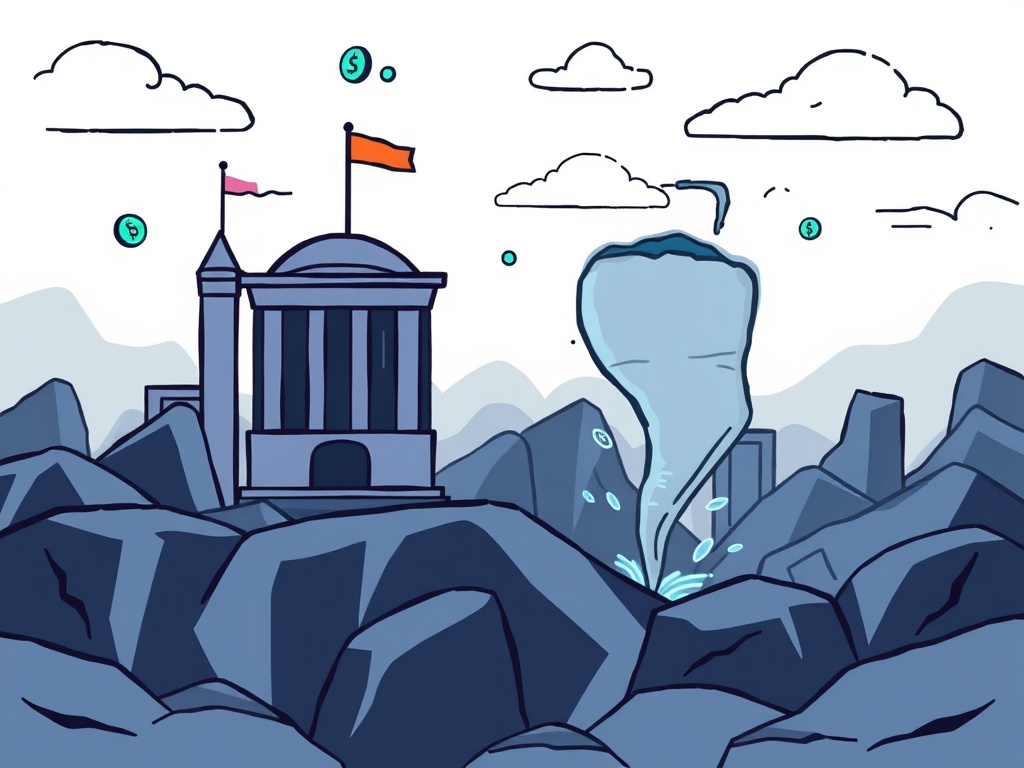
Tornado Cash Governance: Decentralized Control and the Evolution of Privacy in Bitcoin Mixing
The concept of Tornado Cash governance has become a focal point in discussions about decentralized finance (DeFi) and privacy tools. As a non-custodial mixer, Tornado Cash allows users to obscure the traceability of Bitcoin transactions, but its governance model raises critical questions about control, transparency, and accountability. In the context of the btcmixer_en niche, understanding how Tornado Cash is governed is essential for users, developers, and regulators alike. This article explores the mechanisms, challenges, and implications of Tornado Cash governance, particularly in relation to Bitcoin mixing services.
Understanding Tornado Cash Governance
At its core, Tornado Cash governance refers to the decentralized decision-making processes that govern the operation and development of the Tornado Cash protocol. Unlike traditional financial systems where a central authority dictates rules, Tornado Cash operates on a blockchain-based framework where stakeholders—primarily users and developers—participate in shaping its future. This model is designed to align with the principles of decentralization, but it also introduces unique complexities.
What Is Tornado Cash?
Tornado Cash is a privacy-focused tool that enables users to mix Bitcoin transactions, making it difficult to trace the origin and destination of funds. By using a decentralized network of liquidity providers, the protocol ensures that users can send and receive Bitcoin without revealing their identities. However, the effectiveness of this privacy depends heavily on the governance structure in place. If the governance model is compromised, the entire system could face vulnerabilities.
How Is Tornado Cash Governed?
The governance of Tornado Cash is primarily managed through a combination of on-chain proposals and community-driven discussions. Key decisions, such as protocol upgrades, fee structures, and security audits, are often proposed by developers or community members and then voted on by token holders. This process ensures that changes are made transparently and with the consent of the network’s participants. However, the lack of a centralized authority means that governance can be slow and contentious, especially when conflicting interests arise.
The Role of Governance in Privacy Tools
In the btcmixer_en niche, where privacy is a paramount concern, the governance of tools like Tornado Cash plays a critical role in maintaining user trust. A well-structured governance model ensures that privacy features remain robust and adaptable to evolving threats. However, the decentralized nature of Tornado Cash also means that there is no single entity to hold accountable if issues arise.
Enhancing User Privacy Through Governance
One of the primary goals of Tornado Cash governance is to enhance user privacy by ensuring that the protocol remains secure and resistant to external attacks. For example, governance decisions may involve implementing new cryptographic techniques or updating the mixing algorithm to counter advancements in blockchain analysis. By allowing the community to vote on these changes, Tornado Cash can stay ahead of potential threats while maintaining its core privacy objectives.
Balancing Anonymity and Compliance
A significant challenge in the governance of Tornado Cash is balancing the need for anonymity with regulatory compliance. Governments and financial institutions have increasingly scrutinized privacy tools, arguing that they can be used for illicit activities. The governance model must navigate these pressures without compromising the protocol’s decentralized ethos. This often involves debates over whether to implement KYC (Know Your Customer) requirements or to maintain strict anonymity. The outcome of these discussions can have a profound impact on the adoption of Tornado Cash within the btcmixer_en niche.
Challenges and Controversies in Tornado Cash Governance
The governance of Tornado Cash is not without its challenges. As a decentralized system, it is susceptible to issues such as low voter turnout, conflicting proposals, and the potential for malicious actors to influence decisions. These challenges are particularly relevant in the btcmixer_en niche, where users may prioritize privacy over governance transparency.
Regulatory Pressures and Governance
One of the most pressing challenges for Tornado Cash governance is the increasing regulatory scrutiny surrounding privacy tools. Governments around the world are pushing for stricter regulations on cryptocurrency mixers, and Tornado Cash has not been immune to this pressure. In 2022, the U.S. Treasury Department blacklisted Tornado Cash, citing concerns about its use in money laundering. This decision forced the protocol to reconsider its governance approach, as it had to balance user privacy with compliance requirements. The governance model had to adapt to these external pressures while maintaining its decentralized nature.
Security Risks in Decentralized Systems
Another challenge is the inherent security risks associated with decentralized governance. While decentralization is a strength, it also means that there is no single point of failure. However, this can also lead to vulnerabilities if the community fails to act collectively. For instance, if a critical security update is proposed but fails to gain enough support, the protocol could remain exposed to attacks. In the context of the btcmixer_en niche, where users rely on Tornado Cash for privacy, such risks could undermine confidence in the tool.
The Future of Tornado Cash Governance
The future of Tornado Cash governance will likely be shaped by technological advancements, regulatory changes, and community engagement. As the btcmixer_en niche continues to evolve, the governance model must adapt to new challenges while preserving the core principles of decentralization and privacy.
Evolution of Governance Models
One potential direction for Tornado Cash governance is the development of more sophisticated voting mechanisms. Current systems rely on token-based voting, which can be exclusionary if users do not hold sufficient tokens. Future models might explore alternative methods, such as reputation-based voting or decentralized autonomous organizations (DAOs) that allow for more inclusive decision-making. These innovations could make the governance process more efficient and representative, particularly for users in the btcmixer_en niche who may not have significant token holdings.
Community-Driven Innovations
The success of Tornado Cash governance will also depend on the ability of the community to drive innovation. As new threats emerge, the governance model must be flexible enough to accommodate rapid changes. This could involve creating dedicated channels for emergency proposals or establishing a more streamlined process for urgent security updates. In the btcmixer_en niche, where users value privacy and autonomy, a responsive governance model could enhance the tool’s appeal and long-term viability.
Implications for the BTCMixer En Niche
The governance of Tornado Cash has direct implications for the btcmixer_en niche, which encompasses a range of Bitcoin mixing services and privacy tools. As users increasingly seek secure and private ways to handle their transactions, the governance model of Tornado Cash will play a pivotal role in determining its adoption and effectiveness.
Impact on User Trust
User trust is a critical factor in the btcmixer_en niche, where privacy is a primary concern. The governance of Tornado Cash must demonstrate transparency and accountability to maintain this trust. If users perceive the governance model as opaque or unresponsive, they may turn to alternative mixing services. Conversely, a well-managed governance system can reinforce confidence in Tornado Cash, making it a preferred choice for users in the btcmixer_en niche.
Integration with BTCMixer En Ecosystem
The btcmixer_en niche is not limited to Tornado Cash alone. It includes a variety of Bitcoin mixing services, each with its own governance structure. The success of Tornado Cash governance could set a precedent for other tools in this space. If Tornado Cash can navigate its governance challenges effectively, it may encourage the development of similar decentralized governance models in other BTCMixer En services. This could lead to a more standardized approach to privacy and security in the broader cryptocurrency ecosystem.
In conclusion, the governance of Tornado Cash is a complex but vital aspect of its operation, particularly within the btcmixer_en niche. As the demand for privacy tools continues to grow, the ability of Tornado Cash to adapt its governance model will determine its relevance and effectiveness. By addressing challenges related to regulation, security, and community engagement, Tornado Cash can maintain its position as a leading privacy solution in the Bitcoin mixing landscape.

David Chen
Digital Assets Strategist
As a quantitative analyst with a deep understanding of both traditional finance and cryptocurrency markets, I’ve closely observed the evolution of decentralized governance models, and Tornado Cash governance stands out as a critical case study. Tornado Cash governance, at its core, reflects the tension between decentralization and regulatory compliance in a space that operates at the edge of traditional financial systems. From a practical standpoint, the governance structure of Tornado Cash must balance user autonomy with the need to mitigate risks associated with its use in illicit activities. This is not just a technical challenge but a systemic one, requiring careful calibration of incentives for participants in the governance process. My experience in portfolio optimization and on-chain analytics has shown me that transparency in decision-making is paramount. If Tornado Cash governance lacks clear, auditable processes, it risks undermining trust among users and regulators alike. The practical insight here is that governance models must be designed with both technical and legal frameworks in mind, ensuring that they can adapt to evolving regulatory landscapes without sacrificing the principles of decentralization.
From a market microstructure perspective, Tornado Cash governance has significant implications for the broader DeFi ecosystem. The way governance decisions are made—whether through token-based voting, community proposals, or other mechanisms—directly impacts the stability and adoption of the protocol. My background in market microstructure has taught me that governance systems must account for information asymmetry and the potential for centralization of power. In the case of Tornado Cash, this means ensuring that no single entity or group can dominate decision-making, which is essential for maintaining the protocol’s reputation as a neutral, privacy-preserving tool. Practically, this could involve implementing quadratic voting or other mechanisms to prevent Sybil attacks and ensure equitable participation. However, such measures must be balanced with the need for agility, as overly complex governance can stifle innovation. The key takeaway is that Tornado Cash governance must evolve in tandem with the risks it faces, requiring continuous monitoring and adaptation to prevent systemic vulnerabilities.
Looking ahead, the future of Tornado Cash governance will likely hinge on its ability to navigate the growing regulatory scrutiny surrounding privacy coins and decentralized finance. As a strategist, I believe that governance models must proactively address compliance without compromising the core values of decentralization. This could involve integrating compliance tools directly into the governance framework, such as on-chain monitoring for suspicious transactions or collaboration with regulatory bodies. My expertise in quantitative analysis suggests that data-driven governance—where decisions are informed by real-time analytics and risk assessments—could be a game-changer. For Tornado Cash, this might mean leveraging on-chain data to identify patterns that could indicate misuse, allowing the community to respond swiftly. Ultimately, the success of Tornado Cash governance will depend on its ability to reconcile the ideals of privacy and freedom with the practical demands of a regulated financial world. It’s a delicate balance, but one that is critical for the long-term viability of decentralized systems."