Ransom Wallet Clustering: Tracing Illicit Cryptocurrency Flows in the btcmixer_en Era
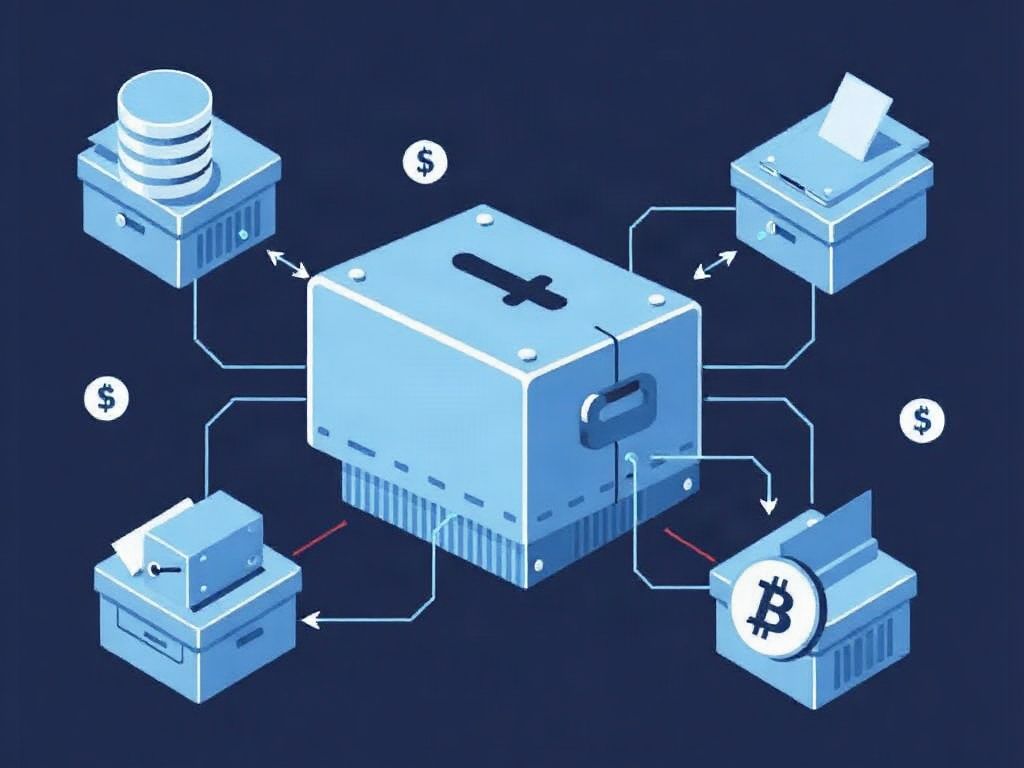
Ransom Wallet Clustering: Tracing Illicit Cryptocurrency Flows in the btcmixer_en Era
The rapid evolution of cryptocurrency-based extortion has forced cybersecurity analysts, forensic investigators, and regulatory bodies to develop increasingly sophisticated methods for tracking illicit digital assets. Among the most powerful techniques to emerge in recent years is ransom wallet clustering, a data-analytic approach that groups together multiple cryptocurrency addresses believed to be controlled by the same entity. When combined with the contextual insights provided by services such as btcmixer_en, this methodology becomes a cornerstone of modern anti-ransomware operations. In this comprehensive exploration, we delve into the mechanics, applications, and implications of ransom wallet clustering, offering a detailed roadmap for practitioners seeking to disrupt criminal networks and recover extorted funds.
At its core, wallet clustering leverages the pseudonymous nature of blockchain transactions to infer ownership. Unlike traditional tracking methods that rely on a single address, clustering analyzes patterns of interaction, shared inputs, and behavioral signatures to construct a probabilistic map of related addresses. When applied specifically to ransomware scenarios, the technique reveals the infrastructure behind ransom payments, identifies money‑muling networks, and uncovers the hierarchical structures of extortion syndicates. The integration of ransom wallet clustering with intelligence from mixers and tumblers—particularly those indexed under the btcmixer_en umbrella—enhances the precision of these investigations by exposing attempts to obfuscate transaction trails.
1. Decoding Ransom Wallet Clustering: Foundations and Fundamentals
What Is Wallet Clustering?
Wallet clustering is the process of aggregating multiple blockchain addresses into a single "cluster" based on the likelihood that they are controlled by the same user or organization. The underlying assumption is that users tend to consolidate funds, pay fees from the same wallet, or conduct transactions that create detectable patterns. Common clustering heuristics include:
- Common input ownership: When a transaction spends from multiple inputs, those inputs are likely owned by the same entity.
- Change address detection: Outputs returned to the sender are often clustered with the original sending address.
- Timestamp and value correlation: Transactions occurring in close succession with similar amounts suggest a shared controller.
- Graph connectivity: Nodes (addresses) connected by edges (transactions) form components that represent probable user groups.
How Clustering Identifies Ransomware Payments
In the ransomware context, attackers typically demand payment in cryptocurrency, directing victims to a specific wallet or a set of wallets. Law enforcement and cybersecurity firms deploy ransom wallet clustering to:
- Map the full extent of the attacker's financial infrastructure.
- Trace the flow of ransom funds through mixing services and secondary wallets.
- Identify cash‑out points where illicit proceeds are converted to fiat currency.
- Attribute wallets to known threat actors based on historical patterns.
By clustering ransom-associated addresses, investigators can pierce the veil of pseudonymity that once shielded cybercriminals. The technique is particularly effective when combined with external data sources, such as exchange KYC records, dark‑web market listings, and intelligence from crypto‑mixing platforms like those categorized under btcmixer_en.
2. The Role of btcmixer_en in Modern Crypto Laundering
Understanding btcmixer_en Services
The term btcmixer_en refers to a category of Bitcoin mixing services that operate primarily within English‑language ecosystems. These platforms allow users to deposit potentially tainted cryptocurrency and receive "clean" coins from a different pool, thereby breaking the on‑chain link between the original sender and recipient. While mixing services have legitimate privacy use cases—such as protecting corporate transaction confidentiality or personal financial privacy—they are frequently exploited by ransomware operators to launder extortion payments.
How btcmixer_en Facilitates and Obscures Transaction Trails
When a ransomware gang receives payment in Bitcoin or another major cryptocurrency, they often immediately route the funds through a mixing service. The btcmixer_en ecosystem, like other mixers, employs techniques such as:
- CoinJoin and similar aggregation protocols that combine multiple users' inputs into a single transaction.
- Time‑delayed payouts that disrupt temporal analysis.
- Dynamic fee structures that vary based on the perceived "cleanliness" of the deposited coins.
- Multi‑hop routing, where funds pass through several mixing rounds before reaching the final destination.
Each of these mechanisms is designed to frustrate clustering efforts, but they are not foolproof. Advanced ransom wallet clustering models account for the probabilistic nature of mixing, analyzing residual patterns, timing anomalies, and the behavior of downstream addresses to reconstruct partial transaction histories.
3. Advanced Clustering Techniques Against Ransomware Networks
Graph-Based Analysis and Connected Component Detection
Modern clustering pipelines construct a directed graph where nodes represent blockchain addresses and edges represent confirmed transactions. By applying community‑detection algorithms—such as Louvain, Label Propagation, or Weakly Connected Components—analysts can identify tight‑knit clusters that correspond to specific ransomware operations. These graphs often reveal hierarchical structures: a primary "master" wallet feeding into several subsidiary wallets, which in turn distribute funds to cash‑out addresses. When btcmixer_en services are involved, the graph may show "entry" and "exit" nodes that indicate the points of mixing and subsequent redistribution.
Temporal Pattern Recognition in Ransom Wallet Activity
Timing is a critical dimension in clustering. Ransomware campaigns often exhibit distinct temporal patterns, such as burst payments following a successful extortion, periodic payouts to maintain operational security, or synchronized activity across multiple wallets during a coordinated attack. Machine‑learning models can be trained to recognize these patterns, flagging deviations that may indicate the use of mixing services or the emergence of new cluster members. By correlating temporal data with value flow metrics, investigators can prioritize clusters for deeper forensic analysis.
Heuristic Refinement and False‑Positive Mitigation
No clustering algorithm is infallible. Legitimate users may share transaction patterns due to common wallet software, exchange batch payments, or pooled mining rewards. To mitigate false positives, advanced ransom wallet clustering frameworks incorporate:
- Multi‑factor validation: Combining graph analysis with external intelligence (e.g., known threat‑actor wallet lists, dark‑web forum references).
- Confidence scoring: Assigning a probability metric to each cluster membership, allowing investigators to focus on high‑confidence targets.
- Iterative refinement: Updating clustering models as new transaction data emerges, ensuring the analysis remains current with evolving criminal tactics.
4. Legal, Ethical, and Operational Implications
Law Enforcement Applications and Landmark Cases
The practical value of ransom wallet clustering is perhaps most evident in its contribution to high‑profile law enforcement operations. In several jurisdictions, clustering analysis has led to the identification and arrest of ransomware ringleaders, the seizure of cryptocurrency holdings, and the disruption of money‑muling networks. By tracing the end‑to‑end flow of ransom payments—from the initial extortion wallet through mixing services such as those indexed under btcmixer_en to final cash‑out points— investigators have built comprehensive evidence packages that support criminal charges and asset forfeiture.
Privacy Concerns and the Balance of Security vs. Anonymity
While ransom wallet clustering is a powerful tool for combating cybercrime, it also raises significant privacy considerations. The same techniques that expose illicit actors can, in theory, be applied to monitor ordinary users’ financial behavior. This dual-use nature underscores the need for clear legal frameworks, oversight mechanisms, and ethical guidelines governing the deployment of clustering analytics. Stakeholders must balance the imperative to disrupt ransomware with the right to financial privacy, ensuring that investigative powers are not overextended or misapplied.
Operational Challenges and Best Practices
Implementing ransom wallet clustering in a real‑world setting involves several operational challenges:
- Data quality: Incomplete or inaccurate blockchain data can skew clustering results.
- Dynamic criminal tactics: Threat actors continuously adapt, employing new mixing protocols, privacy‑enhancing coins, and sophisticated obfuscation techniques.
- Resource intensity: Comprehensive clustering requires significant computational power, expertise in graph analytics, and access to historical transaction databases.
Best practices for overcoming these challenges include:
- Collaborating with international law enforcement and cybersecurity sharing networks to pool data and insights.
- Integrating clustering tools with threat‑intelligence platforms that track emerging ransomware variants and associated wallet identifiers.
- Regularly auditing and updating clustering models to account for new mixing services, including those within the btcmixer_en spectrum, and evolving blockchain architecture
 Emily ParkerCrypto Investment Advisor
Understanding Ransom Wallet Clustering: A Crypto Investor's Guide
As a certified financial analyst specializing in cryptocurrency investment strategies, I've witnessed the evolution of on-chain analytics transform how we assess risk in digital asset markets. Ransom wallet clustering represents one of the most sophisticated tools in our investigative arsenal, allowing us to trace the movement of funds associated with ransomware operations across multiple addresses. This technique goes beyond simple address monitoring, employing advanced graph theory to identify connected wallets that likely belong to the same threat actor. For investors and portfolio managers, understanding these clustering patterns isn't just about compliance—it's about identifying emerging risks before they impact market sentiment.
The practical implications of ransom wallet clustering extend far beyond law enforcement applications. When we detect a new clustering pattern emerging, it often signals the rise of a new ransomware variant or the expansion of an existing operation's infrastructure. From an investment perspective, this early warning system helps us adjust our risk exposure accordingly. I've seen how timely identification of clustering activity can inform position sizing decisions and trigger defensive rebalancing strategies before broader market participants react. The key is integrating these analytics into a broader risk management framework rather than treating them as standalone signals.
What makes ransom wallet clustering particularly valuable for our field is its ability to distinguish between legitimate network activity and coordinated threat operations. By analyzing transaction patterns, timing correlations, and fund flow directions, we can separate genuine market participants from actors operating with malicious intent. This differentiation is crucial for institutional investors who must maintain regulatory compliance while pursuing alpha opportunities. As someone who has spent over a decade helping both retail and institutional investors navigate the digital asset landscape, I can confidently say that incorporating clustering analysis into our due diligence process has become essential for protecting capital in today's complex crypto ecosystem.