Penalties for Using Tornado Cash: Understanding the Risks and Consequences in the BTCMixer En Niche
Penalties for Using Tornado Cash: Understanding the Risks and Consequences in the BTCMixer En Niche
In the rapidly evolving world of cryptocurrency, privacy tools like Tornado Cash have become a focal point for users seeking anonymity. However, the use of such services is not without risks, particularly in the btcmixer_en niche, where regulatory scrutiny and legal consequences are increasingly common. This article explores the penalties for using tornado cash and why users must exercise caution when engaging with these platforms. Understanding these risks is critical for anyone operating within the BTCMixer En ecosystem or similar environments.
What Is Tornado Cash and How Does It Work?
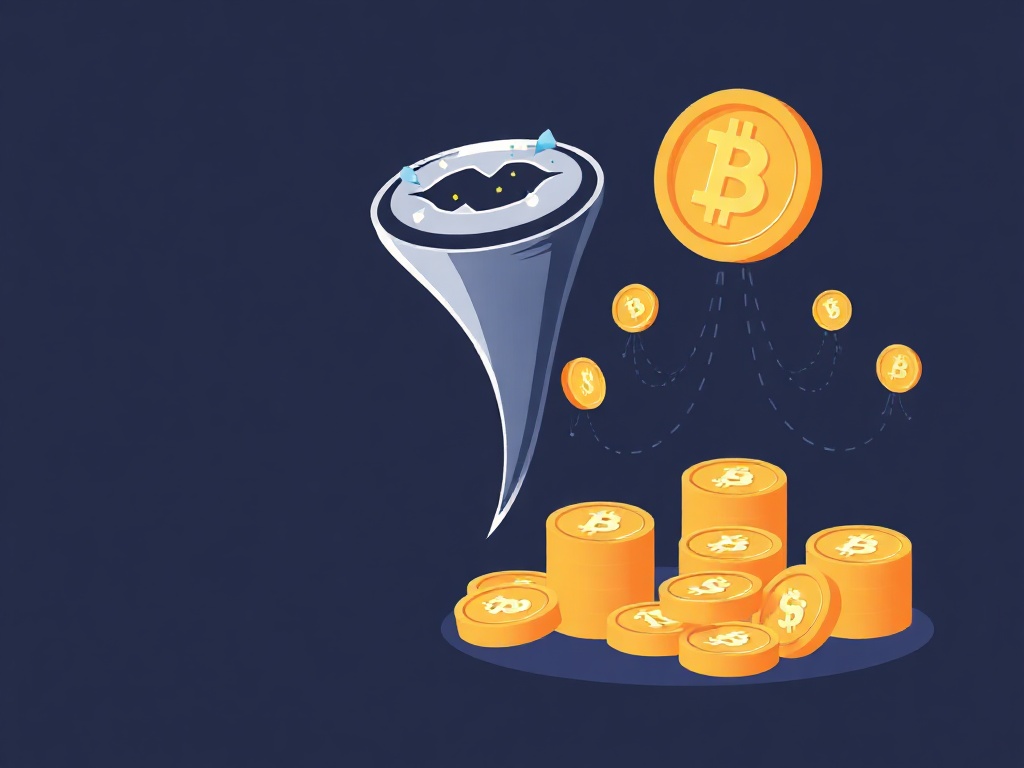
Tornado Cash is a decentralized privacy protocol built on the Ethereum blockchain, designed to obscure transaction trails by mixing funds through a series of smart contracts. While this functionality appeals to users prioritizing financial privacy, it also raises red flags for regulators and law enforcement. In the context of the btcmixer_en niche, which often involves Bitcoin mixing services, the integration of Tornado Cash can complicate compliance efforts and expose users to severe penalties for using tornado cash.
How Tornado Cash Enhances Privacy in BTCMixer En Transactions
- Anonymity through mixing: Tornado Cash allows users to deposit funds into a smart contract, which then redistributes them to multiple addresses, making it difficult to trace the original source.
- Decentralized nature: Unlike centralized mixers, Tornado Cash operates without a single point of control, reducing the risk of direct intervention by authorities.
- Compatibility with BTCMixer En: Many BTCMixer En platforms integrate Tornado Cash to offer enhanced privacy, but this integration can inadvertently expose users to legal risks.
The Role of BTCMixer En in Tornado Cash Usage
The btcmixer_en niche often involves services that facilitate Bitcoin transactions with a focus on privacy. Tornado Cash is frequently used in conjunction with these platforms to further obscure transaction details. However, this synergy can lead to unintended consequences. For instance, if a user’s activity is flagged by regulatory bodies, the penalties for using tornado cash could extend to both the Tornado Cash protocol and the BTCMixer En service provider.
Legal Implications of Using Tornado Cash
The legal landscape surrounding Tornado Cash is complex and varies by jurisdiction. In many countries, the use of privacy tools like Tornado Cash is not inherently illegal, but its application in specific contexts—such as money laundering or tax evasion—can trigger severe consequences. In the btcmixer_en niche, where users may be operating in gray areas, the penalties for using tornado cash can be particularly harsh.
Regulatory Actions Against Tornado Cash
- Freezing assets: Regulatory bodies, such as the U.S. Treasury’s Financial Crimes Enforcement Network (FinCEN), have taken steps to freeze funds associated with Tornado Cash. This can directly impact users who rely on the protocol within the BTCMixer En ecosystem.
- Legal injunctions: Courts in some regions have issued injunctions against Tornado Cash, prohibiting its use or requiring service providers to comply with strict reporting requirements.
- Collaboration with exchanges: Exchanges that integrate Tornado Cash may face pressure to delist the protocol or restrict access, affecting users in the btcmixer_en niche.
Possible Criminal Charges for Users
While Tornado Cash itself is a neutral tool, its misuse can lead to criminal charges. In the btcmixer_en niche, users who employ Tornado Cash for illicit purposes—such as hiding the source of funds—may face penalties including fines, imprisonment, or asset seizure. The penalties for using tornado cash in such cases can be severe, especially if the activity is linked to organized crime or financial fraud.
International Legal Risks
Cryptocurrency regulations are not uniform globally. A user in one country might face minimal consequences for using Tornado Cash, while another could be subject to strict penalties. For instance, the European Union has been actively investigating privacy tools, and users in the btcmixer_en niche operating within EU jurisdictions may encounter heightened scrutiny. This variability underscores the importance of understanding local laws when considering the penalties for using tornado cash.
User Risks and Potential Penalties
Beyond legal consequences, users of Tornado Cash in the btcmixer_en niche face additional risks. These include financial loss, account freezes, and reputational damage. The penalties for using tornado cash can extend beyond immediate legal action, affecting long-term financial stability and trust within the community.
Financial Loss and Account Freezes
- Funds confiscation: If a user’s Tornado Cash activity is linked to illegal activity, their funds may be seized by authorities, even if they were unaware of the misuse.
- Account suspension: BTCMixer En platforms may suspend accounts associated with Tornado Cash usage, leading to loss of access to funds or services.
- Loss of trust: Users who rely on Tornado Cash may be viewed as high-risk by other participants in the btcmixer_en niche, limiting their ability to engage in legitimate transactions.
Reputational Damage
In the cryptocurrency space, reputation is paramount. A single instance of using Tornado Cash for questionable purposes can tarnish a user’s standing within the btcmixer_en community. This reputational damage can result in exclusion from trusted networks, reduced trading opportunities, and even social ostracization. The penalties for using tornado cash in this context are not just financial but also social and professional.
Long-Term Consequences for BTCMixer En Users
For users in the btcmixer_en niche, the long-term consequences of using Tornado Cash can be profound. Regulatory changes or shifts in community sentiment could lead to increased scrutiny of all privacy tools. This could result in stricter compliance requirements for BTCMixer En services, making it harder for users to maintain anonymity without facing the penalties for using tornado cash.
How BTCMixer En Users Can Avoid Penalties
While the penalties for using tornado cash are significant, there are steps users in the btcmixer_en niche can take to mitigate risks. These include staying informed about regulatory changes, using alternative privacy tools, and consulting legal experts before engaging with Tornado Cash.
Staying Informed About Regulatory Changes
Regulations surrounding cryptocurrency and privacy tools are constantly evolving. Users in the btcmixer_en niche must remain vigilant about updates from their local authorities and international bodies. For example, if a country introduces new laws targeting Tornado Cash, users may need to adjust their strategies to avoid the penalties for using tornado cash.
Exploring Alternative Privacy Solutions
Not all privacy tools carry the same risks. Some alternatives to Tornado Cash may offer similar anonymity without the same level of regulatory scrutiny. Users in the btcmixer_en niche should research and test these alternatives to find a balance between privacy and compliance. However, it is crucial to evaluate the security and reliability of any new tool before adoption.
Consulting Legal Experts
Before using Tornado Cash or any privacy tool, users should consult with legal professionals who specialize in cryptocurrency and financial regulations. These experts can provide guidance on the potential penalties for using tornado cash and help users navigate the legal landscape. This step is particularly important for businesses or individuals operating in high-risk jurisdictions.
Conclusion: Weighing the Risks of Tornado Cash in the BTCMixer En Niche
The penalties for using tornado cash in the btcmixer_en niche are multifaceted, encompassing legal, financial, and reputational risks. While Tornado Cash offers valuable privacy benefits, its use is not without consequences. Users must carefully consider these risks and take proactive measures to protect themselves. By staying informed, exploring alternatives, and seeking legal advice, BTCMixer En users can navigate the complexities of privacy tools while minimizing the likelihood of facing severe penalties.
Ultimately, the decision to use Tornado Cash should be made with a full understanding of the potential penalties for using tornado cash. In a space as dynamic as cryptocurrency, where regulations and community norms are constantly shifting, caution and due diligence are essential. For those in the btcmixer_en niche, the stakes are high, and the consequences of missteps can be long-lasting.

Penalties for Using Tornado Cash: A Critical Risk for Crypto Investors
As a certified financial analyst with over a decade of experience in cryptocurrency investment strategies, I’ve observed that the penalties for using Tornado Cash are not just theoretical—they are real, severe, and increasingly enforced. Tornado Cash, a decentralized privacy protocol, has become a focal point for regulatory scrutiny due to its association with illicit activities. The penalties for using Tornado Cash can include asset freezes, legal prosecution, and permanent bans from financial platforms. These consequences stem from its design, which allows users to obfuscate transaction trails, making it a tool of choice for money laundering and other unlawful acts. Investors must recognize that engaging with such protocols carries significant risks, as regulatory bodies like the U.S. Treasury’s Office of Foreign Assets Control (OFAC) have explicitly targeted Tornado Cash, labeling it a “primary money laundering concern.” The penalties for using Tornado Cash are not merely financial; they can jeopardize an individual’s reputation, access to capital, and legal standing in the crypto ecosystem.
Practically, the penalties for using Tornado Cash underscore the importance of due diligence in crypto investments. Many users underestimate the legal implications of privacy-focused tools, assuming anonymity equates to safety. However, regulatory frameworks are evolving rapidly, and platforms are now required to report suspicious activities involving Tornado Cash. For instance, if a user’s wallet is linked to Tornado Cash transactions, exchanges may freeze funds or report the activity to authorities. This creates a domino effect: even indirect exposure to Tornado Cash could trigger penalties. Investors should also consider the long-term viability of such protocols. As regulatory pressure mounts, services like Tornado Cash may face shutdowns or stricter compliance requirements, rendering them obsolete or highly risky. My advice is clear: avoid protocols with ambiguous legal status and prioritize transparency in your crypto activities. The penalties for using Tornado Cash serve as a stark reminder that in the crypto space, privacy does not equate to legality.