mixing coins from a bitcoin ATM purchase: A Comprehensive Guide to Enhancing Your Financial Privacy
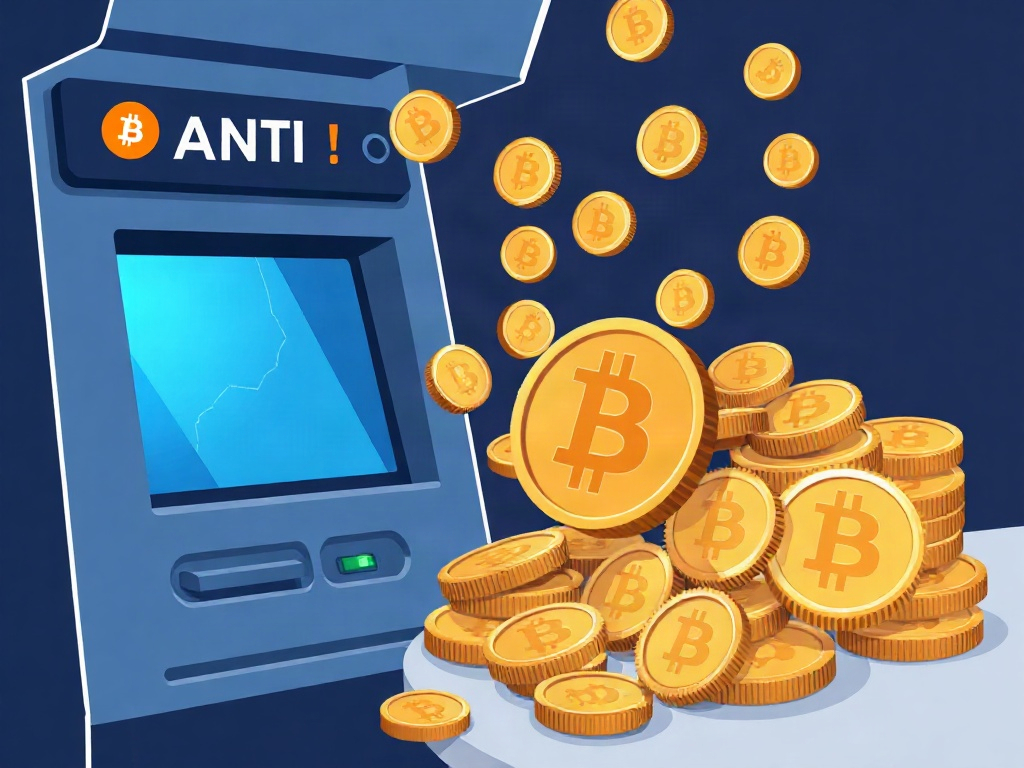
mixing coins from a bitcoin ATM purchase: A Comprehensive Guide to Enhancing Your Financial Privacy
The rise of cryptocurrency adoption has brought Bitcoin ATMs (BTMs) into the mainstream, offering a convenient on-ramp for individuals looking to enter the digital asset space. However, the convenience of a Bitcoin ATM purchase comes with inherent privacy trade-offs. Every transaction on a public blockchain is transparent and traceable, meaning that coins acquired through a BTM can potentially be linked back to the user's identity or previous wallet activity. This is where the practice of mixing coins from a bitcoin ATM purchase becomes relevant. By employing coin mixing techniques, users can obscure the on-chain trail, restoring a layer of fungibility and privacy to their holdings. In this article, we explore the why, how, and best practices of mixing coins from a bitcoin ATM purchase, providing a detailed roadmap for privacy-conscious Bitcoin users.
Understanding Bitcoin ATM Transactions and Their Privacy Implications
Bitcoin ATMs function as physical kiosks that allow users to buy or sell Bitcoin using cash or debit/credit cards. While they simplify the onboarding process, the privacy model of most BTMs differs significantly from peer-to-peer or decentralized exchanges. Many operators require identity verification through KYC (Know Your Customer) protocols, especially for higher transaction limits. Even when KYC is not strictly enforced, the blockchain itself records every movement of the coins from the moment they leave the ATM's associated wallet.
When you perform a bitcoin ATM purchase, the resulting UTXOs (Unspent Transaction Outputs) enter the public ledger with a clear provenance. If those coins are later spent directly from the original wallet, their entire history remains visible to anyone analyzing the blockchain. This transparency can be problematic for users who value financial discretion, particularly if the coins are later used in contexts where surveillance or tracking might occur. Understanding these implications is the first step toward making informed decisions about mixing coins from a bitcoin ATM purchase.
- KYC Requirements: Many BTMs collect government-issued ID, linking the purchase to a real-world identity.
- Public Ledger Exposure: All transactions are permanently recorded on the blockchain.
- Address Clustering
Here
 Robert HayesDeFi & Web3 Analyst