Blog · Aug 18, 2026 · 5 min read
How to Swap BTC to XMR Privately: A Secure and Anonymous Guide
How to Swap BTC to XMR Privately: A Secure and Anonymous Guide
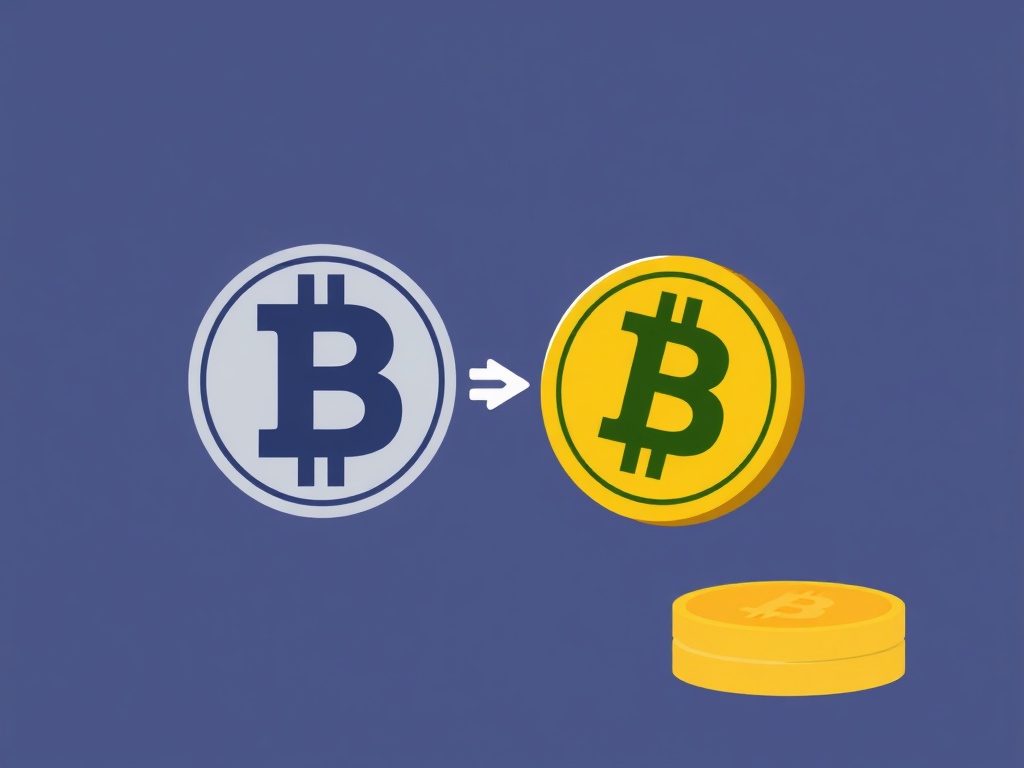
In the evolving landscape of cryptocurrency, the need to swap btc to xmr privately has become increasingly important for users seeking anonymity and security. Whether you're looking to protect your financial data or avoid regulatory scrutiny, understanding how to execute this transaction privately is crucial. This article will explore the methods, tools, and considerations involved in swapping BTC to XMR while maintaining privacy, with a focus on the role of services like BTCMixer in facilitating such transactions.
Understanding the Need for Private BTC to XMR Swaps
Why Privacy Matters in Cryptocurrency Transactions
Privacy in cryptocurrency transactions is not just a preference—it’s a necessity for many users. Public blockchains, while transparent, expose transaction details to anyone with access to the network. This can pose risks for individuals who wish to keep their financial activities confidential. When you swap btc to xmr privately, you’re taking steps to obscure the trail of your funds, making it harder for third parties to track your movements. Monero (XMR), in particular, is designed with privacy features that make it a popular choice for those prioritizing anonymity.
The Risks of Public BTC to XMR Transactions
Conducting a BTC to XMR swap without privacy measures can lead to several risks. For instance, if your BTC is linked to your identity through exchanges or wallet addresses, a public transaction could reveal sensitive information. Additionally, regulatory bodies or malicious actors might trace your activity, compromising your security. By opting to swap btc to xmr privately, you mitigate these risks and ensure that your financial data remains under your control.
The Role of BTCMixer in Private Transactions
What is BTCMixer and How It Works
BTCMixer is a service that specializes in anonymizing Bitcoin transactions. It works by breaking down your BTC into smaller, unlinked amounts and redistributing them through a network of mixers. This process effectively severs the connection between your original BTC and the XMR you receive. When you swap btc to xmr privately using BTCMixer, you’re leveraging this technology to enhance your anonymity. The service is designed to be user-friendly, making it accessible even for those new to cryptocurrency privacy tools.
Advantages of Using BTCMixer for Private Swaps
- Enhanced Anonymity: BTCMixer ensures that your transaction history is not traceable, which is a key benefit when you swap btc to xmr privately.
- User-Friendly Interface: The platform is designed to be intuitive, allowing users to complete the swap without technical expertise.
- No KYC Requirements: Unlike traditional exchanges, BTCMixer does not require users to provide personal information, further supporting privacy.
Steps to Swap BTC to XMR Privately
Preparing Your BTC Wallet
Before you can swap btc to xmr privately, you need to ensure your BTC is stored in a secure wallet. Choose a wallet that supports BTC and allows you to send funds to a mixer service. It’s important to use a wallet that doesn’t require KYC verification to maintain privacy. Once your BTC is ready, you can proceed to the next step.
Using BTCMixer for the Swap
To swap btc to xmr privately via BTCMixer, follow these steps:
- Deposit BTC: Send your BTC to the BTCMixer address provided on their platform. Ensure you use the correct address to avoid losing funds.
- Initiate the Mixing Process: BTCMixer will process your transaction, breaking it into smaller parts and mixing it with other users’ BTC.
- Receive XMR: After the mixing is complete, you’ll receive XMR in your wallet. This XMR is now untraceable to your original BTC.
Ensuring Anonymity During the Process
While BTCMixer provides a layer of anonymity, it’s essential to take additional precautions. Avoid using the same wallet or address for multiple transactions. Also, consider using a secure internet connection and ensuring your device is free from malware. These steps help reinforce the privacy of your swap btc to xmr privately transaction.
Risks and Considerations When Swapping BTC to XMR Privately
Potential Security Threats
Despite the privacy benefits, there are risks associated with swapping BTC to XMR privately. For example, if the mixer service you use is compromised or malicious, your funds could be at risk. It’s crucial to research and choose a reputable service like BTCMixer. Additionally, if you’re not careful with your wallet management, you could inadvertently expose your transaction details.
Legal and Regulatory Aspects
While privacy is a key advantage, it’s important to be aware of the legal implications. Some jurisdictions have regulations that may restrict or monitor cryptocurrency transactions. Before you swap btc to xmr privately, ensure you understand the laws in your region. Compliance with local regulations can prevent legal issues and ensure your privacy efforts are not undermined.
Alternative Methods for Private BTC to XMR Swaps
Using Decentralized Exchanges
Decentralized exchanges (DEXs) offer another way to swap btc to xmr privately. Unlike centralized platforms, DEXs operate without intermediaries, reducing the risk of data breaches. However, they require technical knowledge and may have lower liquidity compared to traditional exchanges. If you’re comfortable with the process, DEXs can be a viable alternative to BTCMixer.
Peer-to-Peer Transactions
Another method is conducting peer-to-peer (P2P) transactions. This involves directly exchanging BTC for XMR with another user. While this can be private, it requires trust in the counterparty. To enhance security, use escrow services or reputable P2P platforms. This approach is less automated than using BTCMixer but offers a different level of control over your transaction.
Each method has its pros and cons, and the choice depends on your specific needs. If you prioritize ease of use and a proven track record, BTCMixer remains a strong option for those looking to swap btc to xmr privately.
Conclusion
Swapping BTC to XMR privately is a viable solution for users who value anonymity and security in their cryptocurrency transactions. By understanding the process, leveraging tools like BTCMixer, and being aware of the associated risks, you can effectively protect your financial data. Whether you choose BTCMixer or explore alternative methods, the key is to prioritize privacy and take necessary precautions. As the demand for private transactions grows, staying informed about the best practices for swap btc to xmr privately will remain essential for cryptocurrency users worldwide.

James Richardson
Senior Crypto Market Analyst
Swap BTC to XMR Privately: Navigating Privacy and Security in the Crypto Landscape
As a Senior Crypto Market Analyst with over 12 years of experience in digital asset analysis, I’ve observed that the demand for privacy-focused transactions has grown significantly in recent years. Swapping BTC to XMR privately is a strategic move for individuals or entities seeking to enhance their financial confidentiality. Bitcoin, while revolutionary, is inherently traceable on the blockchain, which can expose users to surveillance or regulatory scrutiny. Monero (XMR), on the other hand, offers robust privacy features through ring signatures and stealth addresses, making it a preferred choice for those prioritizing anonymity. However, the process of swapping BTC to XMR privately requires careful consideration of both technical and operational factors. Users must navigate the complexities of decentralized exchanges or trusted third-party services that facilitate such transactions without compromising their privacy. It’s crucial to evaluate the security protocols of these platforms, as even a single vulnerability could jeopardize the entire process. My analysis suggests that while the concept of swapping BTC to XMR privately is appealing, it demands a balanced approach that weighs privacy against the risks of potential fraud or regulatory non-compliance.
From a practical standpoint, swapping BTC to XMR privately is not a one-size-fits-all solution. The volatility of both assets adds another layer of complexity, as sudden market fluctuations could impact the value of the swapped funds. For instance, if BTC is sold during a downturn, the proceeds might not be sufficient to acquire the desired amount of XMR. Additionally, the legal landscape surrounding privacy coins is evolving, with some jurisdictions imposing stricter regulations on their use. This means that individuals engaging in such swaps must stay informed about local laws to avoid unintended consequences. I’ve seen cases where users opted for centralized exchanges to facilitate the swap, but this often undermines the privacy benefits they sought. Instead, I recommend leveraging decentralized platforms or mixing services that align with the user’s risk tolerance. It’s also worth noting that the success of a private swap hinges on the user’s ability to execute the transaction swiftly and securely. Delays or errors in the process can lead to irreversible losses, especially given the irreversible nature of blockchain transactions. My experience has shown that education and preparation are key—users should thoroughly research the tools they use and understand the trade-offs involved in prioritizing privacy over convenience.