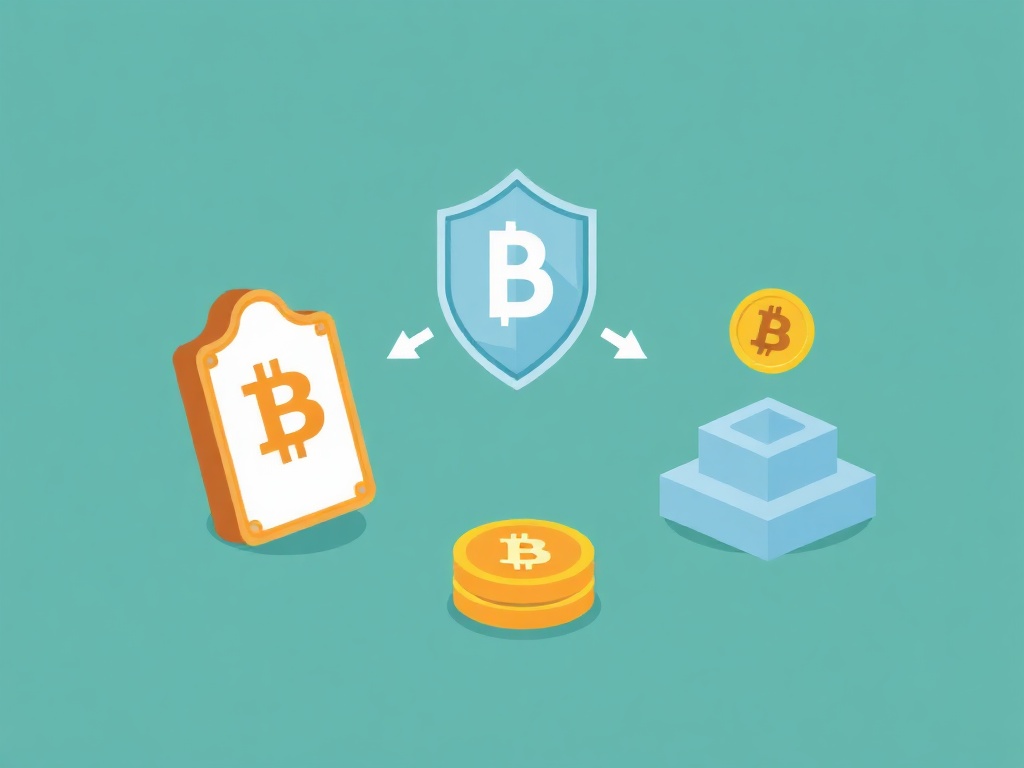
How to bridge assets without a centralized exchange: A Guide to Decentralized Crypto Transfers

How to bridge assets without a centralized exchange: A Guide to Decentralized Crypto Transfers
In the evolving landscape of digital finance, the ability to bridge assets without a centralized exchange has become a cornerstone of true financial sovereignty. Traditionally, moving value between blockchains required depositing funds into a custodial platform, exposing users to counterparty risk, regulatory scrutiny, and potential downtime. Decentralized bridging eliminates these middlemen, leveraging smart contracts, cryptographic proofs, and peer-to-peer protocols to transfer assets trustlessly. This approach not only aligns with the core ethos of blockchain technology but also enhances privacy, reduces fees, and opens pathways for cross-chain innovation. Below, we explore the mechanics, benefits, security practices, and practical steps for executing secure, decentralized asset transfers.
Understanding Decentralized Bridging Fundamentals
What Makes a Bridge Truly Decentralized
A decentralized bridge operates without a single entity controlling user funds. Instead, it relies on code-driven mechanisms such as liquidity pools governed by algorithms, multi-signature validators, or zero-knowledge proof systems. When you bridge assets without a centralized exchange, the transaction is validated by a network of nodes or contracts, ensuring that no single party can freeze, seize, or misappropriate the transferred value. This architecture typically employs locked native tokens on the source chain, with corresponding representations minted on the destination chain only after proof of lock is verified.
Key Components of Trustless Transfer Protocols
Trustless bridges generally comprise three core layers: the lock/mint layer, the proof/verification layer, and the release/burn layer. In the lock phase, assets are secured in a smart contract on the originating chain. The proof layer generates cryptographic evidence—such as Merkle proofs, light client validations, or BLS signatures—that the lock occurred. Finally, the release layer unlocks or mints the equivalent asset on the target chain, often burning the original representation if the bridge is bidirectional. Understanding these layers helps users assess the security model and decentralization level of any bridge they consider using.
Comparing Bridge Types: Custodial vs. Non-Custodial
Custodial bridges hold user assets in wallets managed by the bridge operator, meaning users must trust the operator's solvency and integrity. Non-custodial bridges, by contrast, use transparent smart contracts where code, not people, governs the movement of funds. When you bridge assets without a centralized exchange, you engage with non-custodial protocols, which provide verifiable on-chain evidence of reserves, auditability, and the ability for users to exit independently if the protocol fails. This distinction is critical for risk management and long-term asset safety.
Atomic Swaps and Cross-Chain Interoperability
How Atomic Swaps Enable Direct Peer-to-Peer Transfers
Atomic swaps represent one of the most elegant solutions for bridging assets without a centralized exchange. By utilizing hashed time-locked contracts (HTLCs), two parties can exchange assets across different blockchains simultaneously: if one party fails to fulfill their end, the entire transaction automatically reverts, ensuring neither party loses funds. This mechanism eliminates the need for an intermediary to hold or escrow assets, as the swap is either completed in full or not at all. Atomic swaps are particularly effective for direct token-for-token exchanges between compatible wallets, offering a truly decentralized alternative to order-book or automated market maker exchanges.
Role of Hash Time-Locked Contracts in Security
HTLCs lock assets using a cryptographic hash known only to the participants. The contract includes a time window within which the recipient must provide the preimage (the secret) to claim the funds; otherwise, the funds return to the sender after the deadline. This design prevents front-running, ensures fairness, and provides a built-in dispute resolution mechanism without recourse to a central authority. Developers implementing cross-chain bridges often customize HTLC parameters—such as lock times and hash algorithms—to match the specific characteristics of each supported blockchain.
Limitations and Emerging Alternatives
While atomic swaps excel in simplicity and security, they require both assets to support the same hashing mechanism and contract types, which can limit compatibility across diverse ecosystems. Newer approaches, such as relayer-based bridges, light client implementations, and generalized state proofs, are expanding interoperability beyond the constraints of HTLCs. These methods allow for more complex state transfers, including smart contract interactions, NFT bridging, and cross-chain decentralized finance operations, all while maintaining the principle of operating without a centralized exchange.
Security Considerations and Risk Mitigation
Auditing Smart Contract Code
Before interacting with any decentralized bridge, users should prioritize protocols that have undergone rigorous third-party security audits. Open-source code, public audit reports, and a history of bug bounties are indicators of a bridge's commitment to security. Even with audits, no smart contract is entirely immune to exploits; therefore, users should start with small test transfers, verify contract addresses carefully, and stay informed about newly discovered vulnerabilities in the bridge's codebase or associated libraries.
Understanding Bridge Governance and Upgradability
Many decentralized bridges employ proxy contracts or governance modules that allow administrators to upgrade parameters or fix bugs. While upgradability can enhance resilience, it also introduces centralization risk if a small group holds exclusive upgrade keys. Users should examine governance structures, token voting mechanisms, and whether upgradeability is transparent and time-locked. Prefer bridges with clear, community-driven governance or those utilizing immutable contract deployments where feasible.
Mitigating Phishing and Front-End Attacks
Decentralized bridges are often accessed via web interfaces, which can be spoofed or compromised. Always verify the official domain, use hardware wallet connections where possible, and double-check contract addresses against block explorers. Avoid clicking bridge links from unsolicited messages or social media promotions. By maintaining vigilant browsing habits and leveraging hardware security modules, users significantly reduce the risk of falling victim to phishing schemes that target those seeking to bridge assets without a centralized exchange.
Practical Steps to Bridge Assets Safely
Step 1: Select a Reputable Non-Custodial Bridge
Research and select a bridge with a strong security track record, transparent audit reports, and active community governance. Popular options include protocols built on light clients, relayer networks, or novel proof systems. Ensure the bridge supports both your source and destination chains, and verify that it operates on a non-custodial model, meaning you retain control of your private keys throughout the process.
Step 2: Connect Your Wallet Securely
Use a trusted wallet interface—such as a hardware wallet paired with a reputable browser extension—to connect to the bridge's front-end. Confirm the website's SSL certificate, check the URL carefully, and avoid entering seed phrases or private keys into any online form. Most modern bridges support direct wallet connections via Web3 providers, which keep sensitive data on your device and never transmit it to the bridge operator.
Step 3: Initiate the Lock Transaction
Specify the asset amount and target chain within the bridge interface. The protocol will generate a smart contract transaction on your source chain, locking the assets in a deposit address. Carefully review the gas fees, lock duration, and any associated bridging costs. Once submitted, the transaction becomes immutable; the assets are now secured by the contract code, not by an external entity.
Step 4: Verify Proof and Claim on Destination Chain
After the lock is confirmed, the bridge's off-chain or on-chain proof system will validate the event. Depending on the

Bridge Assets Without a Centralized Exchange: Decentralized Liquidity Pathways and Market Implications
As James Richardson, Senior Crypto Market Analyst with over a decade of experience tracking digital asset infrastructure, I've watched the evolution of cross-chain liquidity with keen interest. The emergence of bridge assets without a centralized exchange represents a fundamental shift in how value moves between blockchains, stripping away the single-point-of-failure risk that defined early bridging solutions. This decentralized approach aligns with the broader ethos of trust minimization, yet it introduces new layers of smart-contract risk and capital efficiency considerations that institutional and retail participants alike must navigate.
From a valuation and risk-assessment perspective, bridge assets without a centralized exchange demand a nuanced model that accounts for validator security, liquidity depth, and slippage dynamics across heterogeneous networks. In practice, I advise clients to scrutinize audit histories, tokenomics of the bridging protocol, and the economic security of the underlying consensus layers. The absence of a centralized intermediary does not eliminate risk; it redistributes it, requiring a more granular understanding of protocol-level incentives and potential attack vectors that can impact asset preservation and yield generation.
Looking ahead, the trajectory of bridge assets without a centralized exchange will likely be shaped by regulatory clarity, interoperability standards, and the maturation of layer-two and cross-rollup ecosystems. For investors and portfolio managers, staying ahead means balancing the allure of decentralized frictionless movement with the pragmatic need for due diligence and risk controls. In my view, the most resilient strategies will combine exposure to well-audited bridging protocols with diversified asset allocation, ensuring that the benefits of cross-chain accessibility are captured without undue exposure to emergent systemic risks.