Blog · Aug 26, 2026 · 8 min read
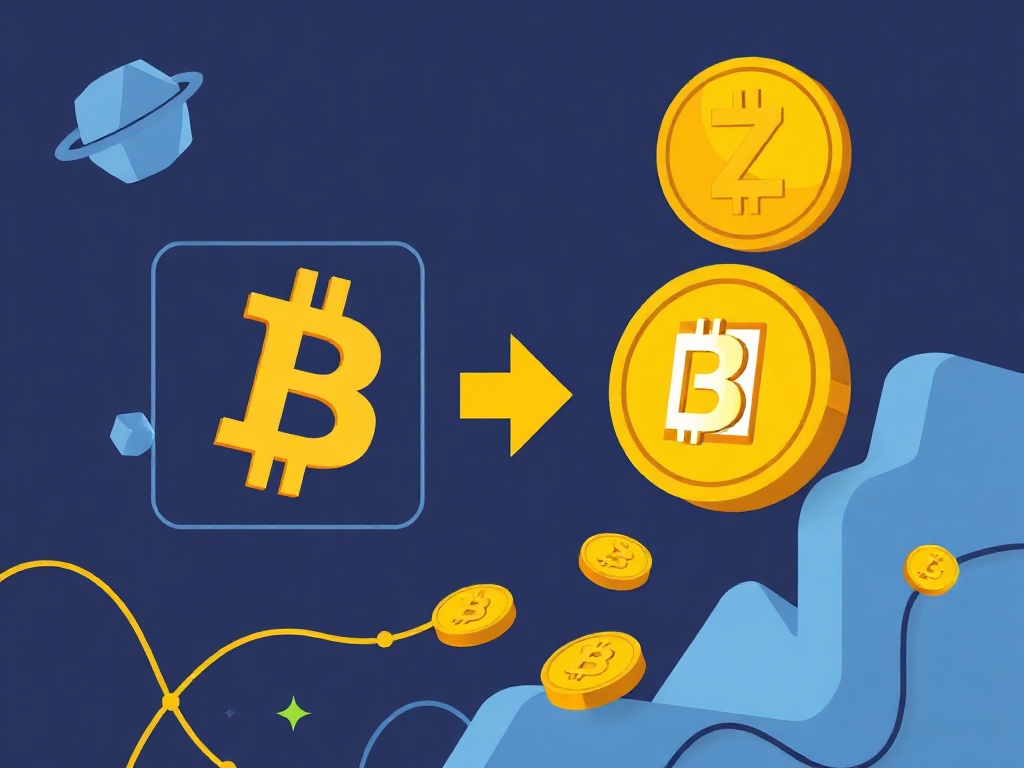
Exchange BCH for Zcash: A Comprehensive Guide to Converting Bitcoin Cash to Zcash
Exchange BCH for Zcash: A Comprehensive Guide to Converting Bitcoin Cash to Zcash
Understanding BCH and Zcash: Key Differences and Use Cases
When considering the decision to exchange bch for zcash, it’s essential to grasp the fundamental differences between Bitcoin Cash (BCH) and Zcash (ZEC). Both are cryptocurrencies built on blockchain technology, but they serve distinct purposes. BCH was created as a fork of Bitcoin to address scalability issues, offering larger block sizes for faster and cheaper transactions. Zcash, on the other hand, prioritizes privacy and anonymity through its zero-knowledge proofs, allowing users to conduct transactions without revealing sender or receiver details. This distinction makes Zcash a preferred choice for those seeking enhanced confidentiality, while BCH appeals to users focused on cost-effective transfers.
What Is Bitcoin Cash (BCH)?
- Blockchain Structure: BCH operates on a modified Bitcoin blockchain with increased block size limits.
- Transaction Speed: BCH transactions are typically faster and less expensive than Bitcoin’s.
- Use Cases: Ideal for everyday purchases, remittances, and small businesses due to lower fees.
What Is Zcash (ZEC)?
- Privacy Features: Zcash allows users to choose between transparent and private transactions.
- Zero-Knowledge Proofs: This technology ensures that transaction details remain confidential unless the user opts for transparency.
- Use Cases: Popular among users who value financial privacy, such as activists, journalists, or individuals in high-risk regions.
If you’re looking to exchange bch for zcash, understanding these differences is crucial. BCH’s focus on scalability contrasts with Zcash’s emphasis on privacy, making the choice dependent on your specific needs. For instance, if you prioritize anonymity, Zcash might be the better option. However, if you need a currency with broader adoption and lower transaction costs, BCH could be more suitable.
Why Exchange BCH for Zcash? Key Reasons to Consider
There are several compelling reasons to exchange bch for zcash, depending on your financial goals and risk tolerance. One of the primary motivations is privacy. Zcash’s advanced cryptographic techniques provide a level of anonymity that BCH does not offer. This can be particularly advantageous for users who wish to avoid public transaction records or protect sensitive financial information.
Enhanced Privacy and Anonymity
Zcash’s zero-knowledge proofs allow users to hide transaction details, making it a preferred choice for those who value discretion. Unlike BCH, which operates on a transparent blockchain, Zcash enables users to conduct transactions without revealing the parties involved. This feature is especially beneficial in regions with strict financial regulations or for individuals concerned about surveillance.
Diversification of Cryptocurrency Holdings
Another reason to exchange bch for zcash is to diversify your cryptocurrency portfolio. While BCH is a well-established altcoin, Zcash offers unique value through its privacy features. By holding both, you can mitigate risks associated with market volatility in a single asset. For example, if BCH experiences a price drop, Zcash’s privacy-driven demand might stabilize its value.
Access to Niche Markets and Services
Zcash is often used in niche markets where privacy is a priority. For instance, some online marketplaces or financial services cater specifically to Zcash users due to its anonymity features. By exchanging BCH for Zcash, you gain access to these specialized platforms, which may not support BCH or may offer limited functionality for it.
Ultimately, the decision to exchange bch for zcash should align with your specific needs. Whether you prioritize privacy, diversification, or access to niche services, Zcash provides distinct advantages that BCH cannot match.
How to Exchange BCH for Zcash: Step-by-Step Guide
Exchanging BCH for Zcash involves several steps, each requiring careful consideration to ensure a secure and efficient process. The method you choose will depend on your location, the platforms available, and your comfort level with cryptocurrency transactions. Below is a detailed guide to help you navigate the process of exchange bch for zcash.
Using Cryptocurrency Exchanges
Cryptocurrency exchanges are the most common method for exchanging BCH for Zcash. These platforms act as intermediaries, allowing users to trade one cryptocurrency for another. To begin, you’ll need to select a reputable exchange that supports both BCH and ZEC. Popular options include Binance, Kraken, and Coinbase, though you should verify their availability of ZEC trading pairs.
- Create an Account: Sign up for the exchange and complete the necessary verification steps.
- Deposit BCH: Transfer your Bitcoin Cash to the exchange’s wallet address.
- Place a Trade: Use the exchange’s trading interface to swap BCH for ZEC.
- Withdraw ZEC: Once the transaction is complete, transfer the Zcash to your personal wallet.
It’s important to note that exchanges may charge fees for both deposits and withdrawals. Additionally, the exchange rate for exchange bch for zcash can fluctuate based on market conditions. Always check the current rate before initiating the trade to avoid unfavorable outcomes.
Using Peer-to-Peer (P2P) Platforms
Peer-to-peer platforms offer an alternative to traditional exchanges by connecting buyers and sellers directly. These platforms can provide more flexibility and potentially better rates for exchange bch for zcash. However, they also require a higher level of caution due to the lack of centralized oversight.
- Choose a P2P Platform: Select a trusted P2P marketplace like LocalBitcoins or Bisq.
- List Your BCH: Create a listing specifying the amount of BCH you wish to exchange and the desired ZEC amount.
- Negotiate Terms: Communicate with potential buyers to agree on the exchange rate and payment method.
- Complete the Transaction: Once both parties confirm, transfer the BCH and receive the ZEC.
P2P platforms often require users to verify their identities, which can add a layer of security. However, it’s crucial to use escrow services or trusted intermediaries to minimize the risk of fraud. For those prioritizing privacy, P2P platforms may offer a more discreet way to exchange bch for zcash compared to exchanges.
Using Wallet Services
Some cryptocurrency wallets allow direct exchanges between BCH and ZEC. This method is ideal for users who prefer to manage their funds without relying on third-party platforms. However, not all wallets support this feature, so you’ll need to research which ones do.
To use a wallet for exchange bch for zcash, follow these steps:
- Install a Compatible Wallet: Choose a wallet that supports both BCH and ZEC, such as Electrum or Zcash Wallet.
- Initiate the Exchange: Use the wallet’s built-in exchange feature to convert BCH to ZEC.
- Confirm the Transaction: Review the details and confirm the swap within the wallet interface.
Wallet-based exchanges are generally faster and more secure since they eliminate the need for an intermediary. However, they may have limited liquidity compared to exchanges, which could affect the rate for exchange bch for zcash.
Regardless of the method you choose, it’s essential to prioritize security. Always use strong passwords, enable two-factor authentication, and store your private keys offline. By following these steps, you can safely and efficiently exchange bch for zcash to suit your financial needs.
Risks and Considerations When Exchanging BCH for Zcash
While exchanging BCH for Zcash offers several benefits, it’s not without risks. Understanding these potential challenges is crucial to making an informed decision about exchange bch for zcash. Factors such as market volatility, security threats, and regulatory changes can significantly impact the outcome of your transaction.
Market Volatility and Price Fluctuations
Cryptocurrency markets are inherently volatile, and the value of both BCH and ZEC can fluctuate rapidly. When you exchange bch for zcash, the amount of ZEC you receive may differ from your expectations if the price changes during the transaction. For example, if BCH’s value drops before the exchange is completed, you might receive fewer ZEC than anticipated.
To mitigate this risk, consider using limit orders or setting price alerts on your chosen platform. These tools allow you to specify the rate at which you want to exchange bch for zcash, reducing the impact of sudden market swings. Additionally, exchanging smaller amounts more frequently can help average out price fluctuations over time.
Security Risks and Fraudulent Platforms
Security is a major concern when exchanging cryptocurrencies. Not all platforms are trustworthy, and some may engage in fraudulent activities or suffer security breaches. When you exchange bch for zcash, ensure that the platform you use has a strong reputation for security and transparency.
- Research the Platform: Check reviews, security audits, and user feedback before proceeding.
- Use Cold Storage: Store your BCH and ZEC in a secure, offline wallet to minimize exposure to hacking.
- Avoid Suspicious Offers: Be cautious of platforms offering unusually high exchange rates or requiring personal information.
Another risk is the potential for phishing scams. Fraudulent websites or emails may mimic legitimate platforms to steal your login credentials or private keys. Always verify the URL of the site you’re using and avoid clicking on unsolicited links when attempting to exchange bch for zcash.
Regulatory and Compliance Issues
The regulatory landscape for cryptocurrencies is constantly evolving, and changes in laws can affect the ability to exchange bch for zcash. Some jurisdictions may impose restrictions on certain types of transactions or require additional documentation for cross-border exchanges.
Before proceeding, familiarize yourself with the regulations in your country. For instance, some regions may require you to report large transactions or obtain licenses for cryptocurrency exchanges. Non-compliance could result in legal consequences or the inability to complete the exchange.
Additionally, tax implications should not be overlooked. Exchanging

David Chen
Digital Assets Strategist
Exchange BCH for Zcash: A Strategic Move in the Evolving Cryptocurrency Landscape
As a digital assets strategist with a focus on portfolio optimization and on-chain analytics, I’ve observed that the decision to exchange BCH for Zcash hinges on nuanced factors tied to privacy, scalability, and market dynamics. Bitcoin Cash (BCH) has long been positioned as a scalable alternative to Bitcoin, emphasizing lower transaction fees and faster confirmations. However, Zcash’s unique privacy features—enabled by its zero-knowledge proofs—present a compelling case for investors prioritizing anonymity in an increasingly regulated environment. From a quantitative perspective, this exchange isn’t merely about asset substitution; it’s a strategic recalibration of risk exposure. For instance, Zcash’s on-chain data reveals higher adoption in jurisdictions with stringent financial privacy laws, which could insulate holdings from future compliance-driven volatility. Practitioners should analyze their portfolio’s exposure to regulatory shifts before committing to such a swap, as Zcash’s privacy-centric model may offer resilience in specific market conditions.
Practically, exchanging BCH for Zcash requires careful consideration of liquidity and transaction costs. While BCH benefits from broader exchange support and higher trading volumes, Zcash’s liquidity is more concentrated on platforms that emphasize privacy features. This discrepancy can lead to slippage or higher spreads during large trades, which is critical for institutional or high-net-worth clients. From a market microstructure standpoint, I’ve noted that Zcash’s order book depth often lags behind BCH during periods of heightened privacy demand, creating potential execution risks. Additionally, on-chain analytics suggest that Zcash transactions are more fragmented, reflecting its niche use cases. Investors should weigh these factors against their liquidity needs and time horizon. For example, a short-term trader might favor BCH’s stability, whereas a long-term holder could leverage Zcash’s privacy premium as a hedge against central bank digital currency (CBDC) adoption trends.
Ultimately, the choice to exchange BCH for Zcash should align with a broader asset allocation strategy. My experience in quantitative analysis underscores that no single cryptocurrency fits all scenarios—each has distinct utility and risk profiles. Zcash’s privacy features may appeal to those seeking to diversify beyond transparent blockchains, but this comes with trade-offs in terms of market maturity and adoption velocity. I advise clients to conduct granular on-chain audits and stress-test their portfolios against hypothetical regulatory scenarios before executing such a swap. While the move isn’t inherently risky, it demands a deliberate approach informed by both technical metrics and macroeconomic context. In an era where digital asset strategies must balance innovation with pragmatism, exchanging BCH for Zcash could serve as a tactical pivot—provided it’s executed with the rigor that underpins sound financial decision-making."