
Blog · Sep 27, 2026 · 9 min read
Coin Taint Scoring: A Comprehensive Framework for btcmixer_en Transparency and Compliance
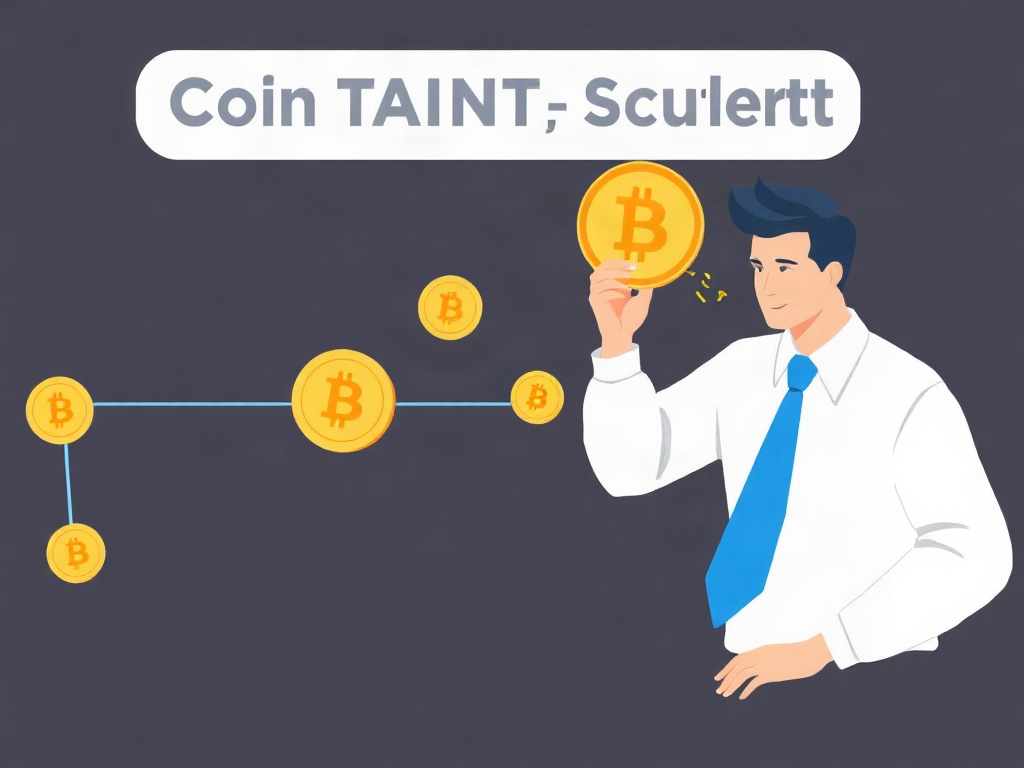
Coin Taint Scoring: A Comprehensive Framework for btcmixer_en Transparency and Compliance
In the evolving landscape of digital asset privacy and regulatory compliance, coin taint scoring has emerged as a critical mechanism for evaluating the history and risk profile of cryptocurrency units. As platforms like btcmixer_en strive to balance user anonymity with accountability, understanding how taint scoring works—and how it can be responsibly integrated—is essential for developers, compliance officers, and end-users alike. This article provides an in-depth exploration of the methodology, its applications within the btcmixer_en ecosystem, and the broader implications for the cryptocurrency industry.
The concept of taint scoring originated from the need to trace the movement of funds across blockchain networks. Unlike traditional financial systems, where transaction history is opaque and controlled by centralized entities, blockchain offers a public ledger where every transaction is permanently recorded. However, this transparency also means that coins can become "tainted" if they are associated with illicit activities, such as hacking, fraud, or sanctions evasion. Coin taint scoring quantifies this risk, assigning a score that reflects the likelihood that a given set of coins has been compromised or entangled with non-compliant activity.
The Fundamentals of Coin Taint Scoring
What Is Taint?
Taint refers to the proportion of a coin's history that can be linked to a specific source of concern. When a user receives funds, the blockchain's transaction graph can be analyzed to determine whether those funds passed through mixing services, tumblers, or addresses associated with criminal activity. The resulting taint percentage is not a binary flag but a continuous metric, often expressed as a value between 0% and 100%. A higher score indicates a greater degree of association with high-risk transactions.
How Taint Scoring Works
The process typically involves several technical steps. First, transaction graph analysis maps the flow of funds from input to output addresses. Heuristic rules then flag addresses known to be linked to darknet markets, ransomware payments, or sanctioned entities. Next, the scoring algorithm calculates the percentage of the coin's direct and indirect transaction history that overlaps with these flagged addresses. Advanced models may also consider temporal factors, such as how much time has elapsed since the coin last interacted with a high-risk address, which can gradually reduce the taint score over time.
- Direct Taint: The immediate percentage of a coin's most recent transaction that touches a flagged address.
- Indirect Taint: The cumulative effect of multiple hops through intermediate wallets, which can spread risk across a broader set of coins.
- Time-Decay Factor: A mechanism that lowers taint scores as transactions age, reflecting the reduced relevance of historical associations.
Coin Taint Scoring in the btcmixer_en Ecosystem
Integration Points for Mixing Services
For platforms operating within the btcmixer_en niche, taint scoring serves as both a compliance tool and a transparency feature. When a user initiates a mixing transaction, the service can analyze the taint profile of the input coins before processing. This allows the platform to inform users of the risk level associated with their deposits, enabling informed decision-making. Additionally, taint scoring can be used to filter out coins with excessively high risk, aligning the service's operations with regional regulatory frameworks without compromising the core privacy guarantees that users expect.
User-Facing Transparency Reports
Transparency is a cornerstone of trust in any mixing service. By incorporating coin taint scoring into user dashboards, btcmixer_en can provide real-time taint metrics for both deposited and withdrawn funds. Users might see a taint percentage alongside transaction hashes, along with explanatory notes about why a particular score was assigned. This level of detail demystifies the risk assessment process and positions the platform as a responsible actor in the broader cryptocurrency ecosystem.
Risk-Based Transaction Filtering
Beyond user education, taint scoring enables automated filtering. For instance, a platform might set a threshold where coins with a taint score above 75% are automatically flagged for additional review or rejected entirely. This risk-based approach helps prevent the inadvertent facilitation of money laundering or sanctions violations, while still allowing lower-risk coins to flow through the mixing pipeline efficiently.
Methodologies and Algorithms Behind Taint Calculation
Heuristic-Based Approaches
Many existing taint scoring systems rely on heuristic rules derived from years of blockchain forensic analysis. These rules are often based on known patterns, such as the "rounding" techniques used by mixers, the clustering of addresses controlled by the same entity, and the frequent movement of funds through addresses linked to illicit markets. While heuristic models are relatively easy to implement and interpret, they can sometimes produce false positives, flagging legitimate coins that happen to share transaction paths with high-risk entities.
Machine Learning Enhancements
To address the limitations of pure heuristic systems, an increasing number of platforms are turning to machine learning. By training models on large datasets of labeled transactions—where taint has been manually verified by compliance experts—algorithms can learn more nuanced patterns. Machine learning models can consider a wider array of features, including transaction velocity, amount structuring, and the topological position of addresses within the broader network. Over time, these models can adapt to new evasion techniques, improving both the accuracy and reliability of taint scores.
Hybrid Models
The most robust taint scoring frameworks often combine heuristic rules with machine learning outputs. A typical workflow might involve a heuristic pre-filter that flags obviously high-risk transactions, followed by a machine learning model that assigns a refined taint probability. This hybrid approach leverages the interpretability of rules-based systems with the adaptability of AI, resulting in a more balanced and accurate scoring mechanism.
Regulatory Landscape and Compliance Standards
Know Your Transaction (KYT) Integration
Regulatory bodies across various jurisdictions are increasingly emphasizing the importance of transaction monitoring, a concept known as Know Your Transaction (KYT). Coin taint scoring is a natural fit within a KYT framework, providing a quantitative metric that compliance teams can use to prioritize investigations. When integrated with existing AML (Anti-Money Laundering) software, taint scores can trigger automated alerts, generate suspicious activity reports (SARs), and support risk-based customer due diligence processes.
Legal Implications for Decentralized Mixers
The rise of decentralized mixing protocols has complicated the regulatory picture. Unlike centralized services that can enforce taint scoring at the platform level, decentralized mixers operate without a single point of control. This has led to ongoing debates about liability and compliance obligations. Some jurisdictions are exploring legislation that would require decentralized protocols to incorporate taint-aware interfaces or front-end tools, effectively extending regulatory reach without compromising the underlying protocol's censorship-resistant properties.
International Standards and Best Practices
International organizations such as the Financial Action Task Force (FATF) have issued guidelines that implicitly support the use of taint analysis for virtual asset service providers (VASPs). Adhering to these standards helps platforms like btcmixer_en align with global expectations, facilitating smoother operations across borders. Best practices include regular model audits, transparency about scoring methodologies, and collaboration with accredited blockchain forensic firms to ensure that taint models remain current and effective.
Best Practices for Implementing Taint Scoring
Balancing Privacy and Accountability
One of the most challenging aspects of implementing coin taint scoring is maintaining the delicate balance between transparency and user privacy. While taint scores provide valuable risk information, they should not be used as the sole basis for freezing or seizing funds. Instead, they should serve as one input among many in a broader compliance decision-making process. Platforms should clearly communicate to users how taint is calculated, what factors influence the score, and how the information will be used.
Continuous Model Updates
The blockchain ecosystem is dynamic, with new mixing techniques, privacy coins, and obfuscation methods emerging regularly. Taint scoring models must be subject to continuous monitoring and updating to remain effective. This includes retraining machine learning models with fresh data, updating heuristic rules to reflect new patterns of illicit activity, and conducting periodic audits to identify and mitigate bias. A commitment to ongoing improvement ensures that the scoring system does not become obsolete or counterproductive.
User Empowerment Through Education
Beyond the technical implementation, educating users about taint scoring can foster a more informed community. btcmixer_en could publish guides, FAQs, and interactive tools that help users understand what their taint score means, why it fluctuates, and how they can improve their coin hygiene. Empowered users are more likely to engage positively with compliance features and make decisions that align with both their privacy preferences and regulatory expectations.
Auditability and Documentation
For platforms subject to regulatory scrutiny, maintaining detailed documentation of the taint scoring methodology is essential. This includes records of data sources, model versioning, threshold settings, and any adjustments made over time. Audit-ready documentation not only simplifies compliance reporting but also demonstrates a proactive approach to responsible operations, which can be a valuable differentiator in a competitive market.
Future Trends in Coin Taint Scoring
Privacy-Enhancing Technologies (PETs)
As privacy-enhancing technologies such as zero-knowledge proofs and confidential transactions gain traction, taint scoring models will need to evolve. These technologies can obscure transaction details, making traditional graph analysis more difficult. Future taint scoring systems may incorporate PET-aware heuristics, focusing instead on on-chain behavior patterns that remain visible, such as deposit and withdrawal amounts, timing, and interaction with known exchange addresses.
Cross-Chain Taint Analysis
The increasing interoperability between different blockchain networks necessitates cross-chain taint analysis. Coins can move between ecosystems via bridges, atomic swaps, or wrapped tokens, potentially spreading taint across chains. Advanced taint scoring frameworks are beginning to support multi-chain tracking, providing a unified risk view that spans Bitcoin, Ethereum, and emerging layer-2 solutions. This holistic approach is particularly relevant for platforms like btcmixer_en that may support or interact with multiple networks.
Decentralized Reputation Systems
Looking ahead, there is growing interest in decentralized reputation systems that could complement or replace centralized taint scoring. By leveraging blockchain-based identity and reputation mechanisms, it may be possible to create a distributed taint score that is not controlled by any single entity. Such a system could enhance trustlessness and reduce the risk of manipulation, though it would also introduce complex governance and consensus challenges that the industry is only beginning to address.
As the cryptocurrency industry matures, coin taint scoring will undoubtedly play an increasingly prominent role in shaping how platforms like btcmixer_en operate. By combining robust methodology, regulatory awareness, and a commitment to user empowerment, the industry can harness taint scoring as a tool for greater integrity without sacrificing the privacy and freedom that underpin the technology's original promise.
- Understanding the technical foundations of taint scoring is the first step toward responsible implementation.
- Integration within the btcmixer_en ecosystem should prioritize transparency
 Robert HayesDeFi & Web3 Analyst
Understanding Coin Taint Scoring: A DeFi Analyst's Perspective on Transaction Transparency
As a technology researcher focused on decentralized finance protocols and Web3 infrastructure, I've observed that coin taint scoring has become an increasingly critical metric for participants in the DeFi ecosystem. This analytical framework assigns risk scores to cryptocurrency based on their transaction history and provenance, helping users and protocols assess potential compliance risks. In my analysis, coin taint scoring serves as a vital tool for distinguishing between clean and potentially compromised assets, particularly important for institutional participants and protocols that must maintain regulatory compliance while operating in a pseudonymous environment.
The practical implications of coin taint scoring extend far beyond simple risk assessment. From a yield farming and liquidity mining perspective, understanding taint scores can significantly impact strategy optimization. Protocols that implement robust taint analysis can better protect their treasuries from inadvertently accepting funds with questionable origins, while savvy DeFi participants can use this information to navigate around potential blacklisting events or protocol restrictions. The scoring methodology typically considers factors such as mixing service interactions, association with known illicit addresses, and the age of transaction chains, creating a nuanced risk profile that evolves over time.
Looking ahead, I believe coin taint scoring will continue to evolve alongside the maturation of Web3 infrastructure. The most successful DeFi projects will be those that integrate taint analysis transparently into their user interfaces, providing clear risk indicators without compromising the privacy ethos of blockchain technology. For analysts and participants alike, developing fluency in interpreting these scores will become as essential as understanding gas fees or APY rates. As the ecosystem grapples with balancing innovation and compliance, coin taint scoring represents a sophisticated bridge between on-chain transparency and practical risk management.